Emotional Importance
An emotionally intense event, a wedding ceremony represents the love and connection between two people. The couple’s official commitment to one another in front of loved ones marks a turning point in their lives. Publicly making vows solidifies the commitments made for support, loyalty, and care, strengthening the emotional bond.
The couple’s journey and the feelings they have shared are also celebrated at this ceremony. It can serve as a potent time for both spouses to reflect, reaffirming their commitment to working together to overcome life’s obstacles and the love that first drew them together.
Religious and Cultural Significance
Marriage rituals have religious or spiritual importance in many cultures. They frequently function as ceremonies that strive to bless the marriage by bringing the couple’s union into harmony with cosmic or divine energies. The goal of religious festivities is to sanctify the marriage in the eyes of God or the various deities. These ceremonies may involve prayers, blessings, and particular rituals. For instance, the exchange of rings and vows during a Christian wedding, which is frequently seen by a religious figure, represents an everlasting bond.
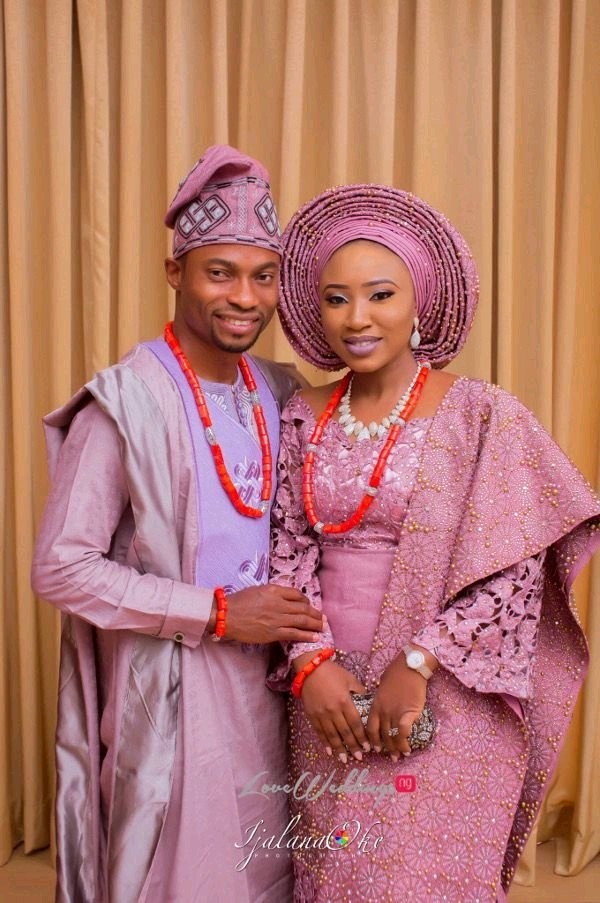
There are several cultural customs surrounding marriage ceremonies that could be carried down through the years. Every culture has a unique set of traditions, emblems, and ceremonies that serve as a reflection of larger society ideals. For example, at Indian weddings, a number of customs are performed to respect the bride’s family, ancestors, and community. Each ceremony has a symbolic value, ranging from applying vermillion to the bride’s forehead to saying the seven vows around the holy fire. These customs give the wedding continuity between the past, present, and future by anchoring it in a broader cultural narrative.
Role in Society and Community
Weddings provide a social purpose in addition to the couple. Families, friends, and communities are gathered to witness the union and provide support. The couple’s commitment is socially validated by this group witnessing. The couple recognizes the importance of these relationships in their lives by extending an invitation to their community to join them in celebrating.
Marriages typically symbolize the union of two clans or extended families for families, particularly in more traditional societies. It’s a moment to rejoice in harmony and the creation of new relationships. Marriages can be viewed as political, property, or social status-related strategic partnerships between families in certain situations.
Furthermore, social conventions regarding gender roles, marriage, and family structures are frequently upheld at weddings. The ceremony’s public setting highlights how highly society regards marriage and its alleged advantages for maintaining stability and continuity in the community.
Individual Benchmark
A wedding represents a significant life milestone for the couple and the start of a new chapter. It’s an occasion when people assume new roles as husband and wife (or partners), and this change frequently entails new social and legal obligations. The ceremony represents maturity, cooperation, and the desire to create a shared future. It also acts as a formal acknowledgement of this transition.
The wedding day is frequently regarded as one of the most unforgettable occasions of a person’s life; it represents the culmination of love and devotion as well as the months of preparation and planning. It also heralds the start of new traditions for the couple, who might incorporate their respective family traditions into their personal bond to forge something special for their growing family.
Wedding Ritual Symbolism
There is a lot of symbolism in wedding ceremonies, most of which centers on the ideas of eternity, love, and union.
For instance, exchanging rings is a global symbol of endless love, with the circle signifying both infinity and the longevity of the couple’s relationship. Lighting a unity candle or tying knots symbolizes the unification of two people into a single, shared life in many cultures.
Other symbols, like the exchanging of garlands during Indian weddings, which denotes equality and respect for one another, can also stand for the balance of responsibilities. The custom of “jumping the broom” during African-American weddings represents letting go of the past and embracing the present, emphasizing resiliency and fresh starts. In a wedding ceremony, every deed has a deeper significance that goes beyond the actual ceremony.
Therefore, wedding ceremonies are much more than just a party; they have deep cultural, symbolic, and emotional significance. For the couple as well as their families and communities, they signify the pinnacle of love and the start of a new chapter in life. Individuals, families, and society reinforce the value of marriage, love, and commitment via these ceremonies. These are significant life moments that honor the potential of a shared future and celebrate the strength of collaboration.
#naijastreetmatters
To see more of our content like, comment, and subscribe