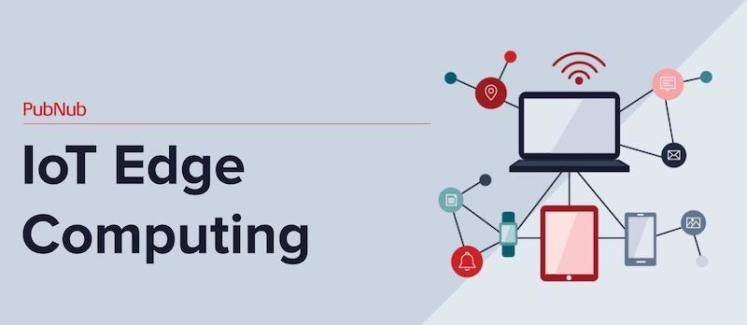
Edge computing and the Internet of Things (IoT) are interconnected technologies that are transforming how data is processed and utilized in real-time across various industries. Edge computing refers to processing data closer to where it is generated, rather than relying on centralized cloud servers. This reduces latency and bandwidth usage by allowing real-time data processing at or near the source. Key benefits of edge computing include reduced latency, lower bandwidth usage, improved reliability, and the ability for edge devices to continue operating even when the connection to the cloud is weak or interrupted.
The Internet of Things (IoT) is a network of interconnected devices that communicate with each other and with central servers or clouds over the internet. These devices collect and exchange data to make intelligent decisions, automate processes, and enhance efficiency. Examples of IoT applications include smart homes, healthcare, and industrial IoT.
Edge computing enhances IoT by reducing latency for IoT devices, increasing efficiency, and enhancing security and privacy. By processing data locally at the edge, there’s less exposure to potential security breaches that might occur during transmission to the cloud. Additionally, edge computing enables real-time monitoring and threat detection, offering better security controls.
Real-world applications of edge computing and IoT include smart cities, healthcare, and manufacturing. In smart cities, IoT sensors monitor traffic, utilities, and infrastructure, analyzing data locally to optimize traffic flow, reduce energy consumption, or manage resources in real time without delays. In healthcare, wearable IoT devices collect patient data such as heart rate or blood pressure, allowing for faster alerts or real-time diagnostics. In manufacturing, edge computing allows sensors on machines to analyze data locally to prevent equipment failure, improve production efficiency, and reduce downtime.
However, edge computing and IoT also come with challenges, such as data management, security risks, and scalability. Handling and processing massive amounts of data from IoT devices at the edge can be complex, and managing and scaling edge computing infrastructures becomes more challenging as the number of IoT devices grows. Future trends in edge computing and IoT include 5G networks, which will further accelerate integration by providing faster, more reliable connectivity with lower latency, essential for real-time applications like autonomous driving and industrial automation. Combining AI with edge computing will allow IoT devices to make smarter, more autonomous decisions locally without relying on cloud processing.
#naijastreetmatters