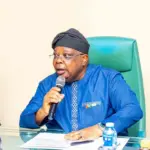
In a recent BBC Hausa interview, he emphasized that while he does not oppose the subsidy’s removal, he questions the whereabouts of the resultant savings. Atiku expressed disappointment that these funds have not been directed toward enhancing the welfare of Nigerians, particularly in combating poverty and improving educational access.
He alleged that the resources, which were expected to alleviate economic hardships, appear to be mismanaged or unaccounted for by the government. Atiku cited the government’s failure to demonstrate transparency regarding how the savings from the subsidy are being utilized, suggesting a climate of corruption with claims of money being siphoned. He pointed out that these funds should have been allocated to development programs aimed at reducing poverty, youth unemployment, and insecurity.
Atiku recalled his previous proposal during the last presidential election, which involved setting aside $10 billion to support young entrepreneurs. He argued that such investment could significantly alleviate poverty for a large segment of the youth population. He criticized the current administration for not implementing similar initiatives over the past years, which might have mitigated the rampant youth unemployment and economic hardships.
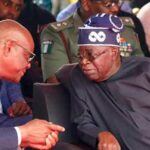
The political landscape regarding this issue has intensified, especially since President Bola Tinubu’s administration announced the subsidy removal shortly after taking office. This move has ignited a debate concerning the economic implications of the policy, with Atiku challenging the Federal Government to clarify how the funds generated are being utilized. While the government defends the subsidy elimination, recent reports indicate that it has mobilized approximately N15.8 trillion in resources between June 2023 and December 2025. As the 2027 presidential race approaches, the petrol subsidy has become a pivotal topic for candidates, with Atiku firmly positioning himself in favor of its restoration to ease the financial strain on Nigerians.