- Angwa Rukuba Killings: Court Hears Allegation of 100-Man Armed Attack Group
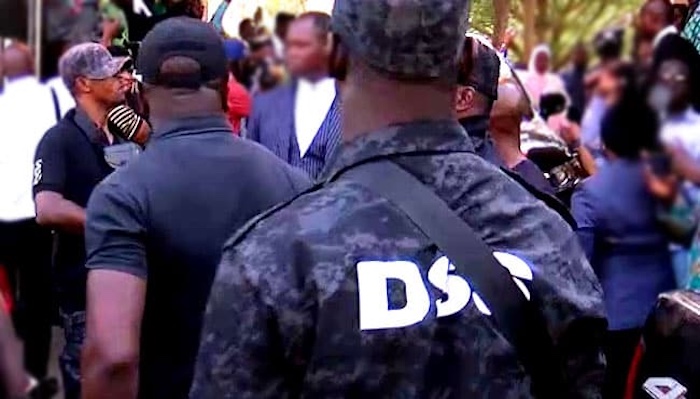
The trial over the deadly Angwa Rukuba killings in Plateau State has taken a serious turn after a Department of State Services witness told a Plateau State High Court in Jos that one of the suspects allegedly confessed to leading more than 100 armed men in attacks on communities in the state.
The testimony has pushed the case back into national attention because Plateau has remained one of Nigeria’s most sensitive flashpoints of communal violence, reprisal attacks, fear, grief, and unresolved justice. For families who lost loved ones, this trial is not just a legal process; it is a search for truth, closure, and accountability.
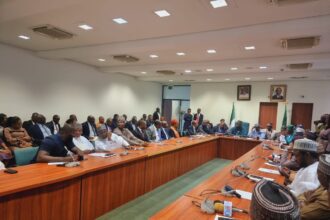
According to reports from the court proceedings, the DSS operative testified during the accelerated hearing of the case involving suspects linked to the Palm Sunday attack on Angwa Rukuba in Jos North Local Government Area, where about 30 people were reportedly killed. The suspects are facing charges including criminal conspiracy, culpable homicide, unlawful possession of firearms, and illegal dealing in arms and ammunition.
The witness reportedly told the court that Adamu Alhassan Isa, also known as Shagari Bangai, admitted in a confessional statement to participating in attacks across parts of Plateau State. The DSS officer also alleged that the suspect led armed men in attacks on Vom and several villages in Riyom Local Government Area.
The testimony also included claims that investigators discovered more than ₦4 million in the defendant’s bank account, suspected to be linked to terrorism financing. These allegations, if proven in court, could deepen public concern about the organisation, funding, and coordination behind attacks in Plateau communities.
However, because the matter is still before the court, the accused persons remain legally presumed innocent until proven guilty. That is an important principle in every justice system. Public anger must not replace due process, and media reporting must not become trial by social media.
Still, the seriousness of the testimony cannot be ignored. Plateau communities have suffered repeated waves of killings, displacement, fear, and destruction. Every credible step toward prosecution matters because one of the biggest wounds in Nigeria’s insecurity crisis is the belief that attackers strike, disappear, and are rarely punished.
For victims’ families, justice delayed often feels like justice denied. For security agencies, this case is a test of investigation quality. For the courts, it is a test of fairness and courage. For government, it is a test of whether violence in troubled communities will be answered with silence or accountability.
The case has now been adjourned for the prosecution to produce certified documents and for the trial to continue. Nigerians will be watching closely, not only to know who is guilty or innocent, but to see whether the justice system can handle a case of this magnitude with transparency, speed, and credibility.
Plateau needs peace, but peace cannot stand where justice is absent. If the truth is established, those responsible must face the law. If anyone is wrongly accused, the court must also protect them. That is the balance justice demands.
THE NSM PERSPECTIVE
When violence becomes repeated, communities stop asking only who attacked them; they begin to ask who is protecting the attackers, who is funding them, and why justice takes so long.
The Plateau killings trial reminds Nigeria that insecurity is not only a battlefield problem. It is also a justice problem. Guns may start violence, but impunity sustains it. When killers believe nothing will happen, violence becomes bold. When the law acts firmly and fairly, society begins to breathe again.
Nigeria must build a system where no community feels abandoned and no victim feels forgotten. Peace without justice is only silence waiting for another explosion.