The countries that formally demand reparations for slavery are the objective of the proposed approach.
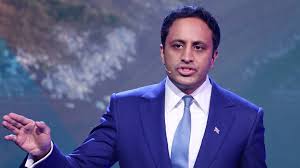
Home Affairs spokesperson Zia Yusuf backed the idea, stating: “A growing number of countries are demanding reparations from Britain,” as reported by the Daily Mail on Monday. They disregard the enormous sacrifices made by Britain in order to be the first powerful nation to forbid slavery and uphold this prohibition.
Over the past 20 years, these nations have astonishingly received £6.6 billion in foreign aid and 3.8 million visas. “Enough is enough.”
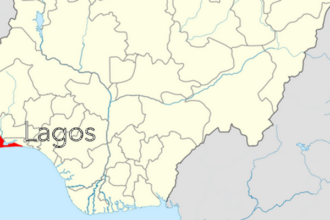
Nigeria and Jamaica are only two of the African and Caribbean nations that have submitted requests, raising the possibility that their citizens may not be allowed to enter the UK.
Reform UK also listed Kenya, Haiti, Guyana, Barbados, and the Bahamas.
Weeks after a United Nations decision urging former colonial nations to make amends for slavery, the announcement was made.
One of the “gravest crimes against humanity,” according to the resolution, is the forced relocation of Africans. Britain did not cast a ballot.
“It is now the UN telling us to go bankrupt, to apologize for what people did in 1775 or whatever it might have been,” said Nigel Farage, leader of Reform UK. Ignore it. The UN has absolutely no authority over this nation.
Additionally, the party promised to cut spending on international aid by 90% to £1 billion each year.
Although the UK accepts the atrocities of the slave trade, a spokesman for the Foreign Office reaffirmed that the country’s stance on reparations has not changed. Keir Starmer, the leader of the opposition, has also rejected any apology or compensation, stating, “I want to look at the future rather than spend a lot of time on the past.”
History and Contemporary Politics of Reparations
Millions of Africans were uprooted from their homes, forced onto ships, and sold into slavery throughout the Americas and Europe centuries ago.
Communities were uprooted, families were devastated, and entire cultures were upended. Long after slavery was abolished, the effects of these crimes continued to shape nations and peoples.
Countries who were directly impacted by this past have started formally requesting compensation in the present day. Ghana has taken the lead in pushing for the transatlantic slave trade to be recognized as one of the “gravest crimes against humanity” at the UN. To address the long-lasting effects of slavery, the African nation demands formal apologies, the return of cultural artifacts that have been stolen, and reparatory justice.
The United Nations claims that it has been more actively involved in talks and statements about reparations, particularly for slavery and its aftereffects.
The UN General Assembly passed a resolution in March and April of 2026 designating racialized chattel slavery and the trafficking of Africans into slavery as the “gravest crime against humanity.”
This resolution, which was spearheaded by Ghana and backed by other African and Caribbean nations, demanded apologies, the return of cultural artifacts, and a conversation about justice in order to right historical wrongs.
There were 52 abstentions, 3 votes (the United States, Israel, and Argentina) against, and 123 votes in favor.
According to the UN, Ghana, the Caribbean Community (CARICOM) Nations, the African Union, Antigua and Barbuda, Guyana, and Haiti are among the nations and organizations requesting compensation.