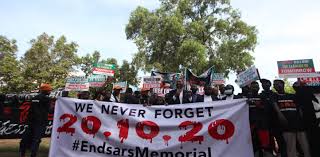
October 20th remains etched in the memory of Nigerians as a day of both courage and pain, a day when a generation rose against oppression under the banner of #EndSARS. The 2020 protests, which began as a youth-driven campaign against police brutality and the excesses of the Special Anti-Robbery Squad (SARS), evolved into one of the most significant movements in Nigeria’s democratic history. Today, as the nation marks another year since that defining moment, Nigerians at home and in the diaspora remember not just the lives lost, but the ideals that fueled the movement, justice, accountability, and freedom.
The EndSARS movement began long before 2020. For years, young Nigerians endured harassment, extortion, and violence at the hands of officers under SARS. What started as sporadic complaints on social media gradually built into an online revolution that spilled onto the streets. By October 2020, cities like Lagos, Abuja, Ibadan, Port Harcourt, and others were filled with thousands of protesters united by one message: End SARS!”
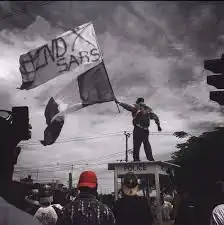

The protests were decentralized, peaceful, and remarkably organized. Volunteers provided food, medical care, and legal support. Artists, influencers, and everyday citizens lent their voices to amplify the cause. It was a movement born from frustration but sustained by hope, a rare moment where Nigeria’s youth spoke with one voice against systemic injustice.
October 20th, 2020, now known as the Lekki Toll Gate Massacre, marked a tragic turning point. Peaceful protesters who had gathered under the Nigerian flag, singing the national anthem, were allegedly met with gunfire. The events of that night shocked the world, sparking international outrage and renewed calls for accountability. Though official reports remain disputed, the emotional scar it left on the nation endures. For many, that night represented the brutal silencing of hope and the exposure of deep cracks in Nigeria’s democracy.
In the months that followed, panels of inquiry were set up in several states to investigate cases of police brutality. Some officers were dismissed or charged, and victims were compensated, but many Nigerians believe true justice remains elusive. The government’s promises of police reform have been slow, and reports of abuse continue to surface.
Yet, the EndSARS movement did something powerful, it awakened a generation. It showed that young Nigerians are not apathetic; they are deeply invested in their country’s future. The movement also birthed a new wave of civic engagement, with more youths participating in elections, policy advocacy, and community initiatives aimed at systemic change.
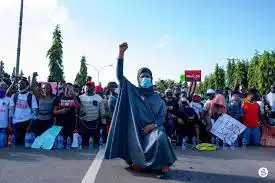

EndSARS is more than a hashtag or a protest; it is a chapter in Nigeria’s history that continues to shape national consciousness. It taught the importance of unity, the power of social media, and the necessity of transparency in governance. It reminded leaders that the people’s voice, though often suppressed, cannot be permanently silenced.
As Nigerians light candles and hold vigils today, they remember not only those who died but also those who stood their ground for justice. The movement’s spirit lives on in every Nigerian demanding better governance, fair treatment, and accountability.
The remembrance of EndSARS is not merely an act of mourning, it is a reaffirmation of purpose. It is a reminder that Nigeria’s youth, resilient and resourceful, remain the country’s greatest hope. As we reflect on October 20th, 2020, may the nation never forget that the quest for justice and equity is ongoing. The voices that chanted “Sòrò Sókè” “Speak Up” still echo, urging us to keep speaking, keep standing, and keep believing in the possibility of a new Nigeria.