
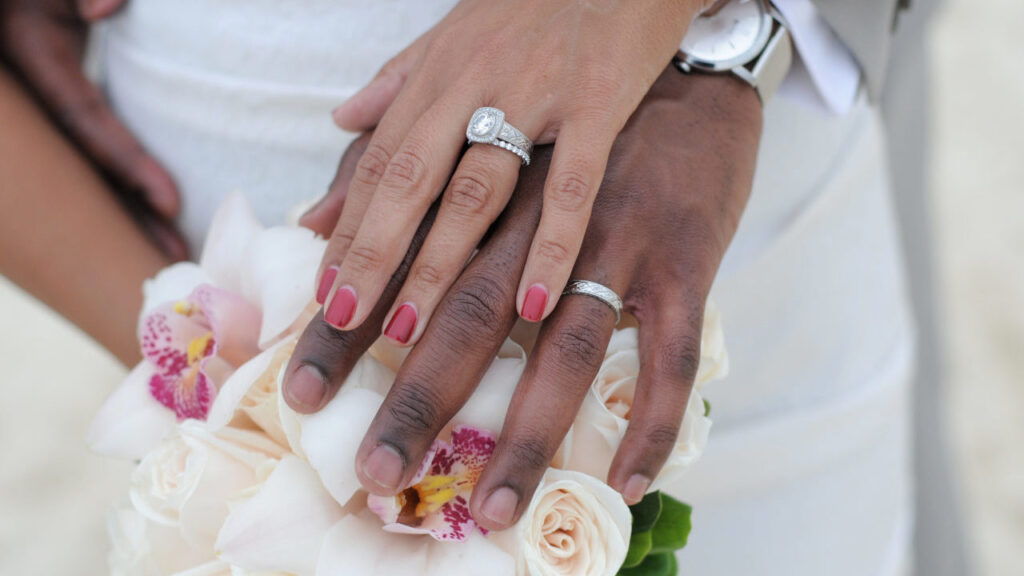
They went grocery shopping, binge-watched Netflix, and even went to the same social gatherings and church organizations in their early days. It was first romantic. They were each other’s partner, greatest friend, and ever-present companion.
Cracks, however, started to show gradually.
David began to miss his solitary runs in the park, which he used to do to help him focus. Funmi, who used to be involved in her poetry club and photography meetings, started turning down invitations because she felt she had to be for David all the time. They barely recognized themselves outside of the connection because it had become so entwined.
David said, “I love being with you, Funmi, but I miss parts of myself,” one evening after a peaceful meal. Funmi was surprised since she had assumed that intimacy was the aim. “So, you’re saying you want space?” she asked. There was silence in the room. They were at a loss for words.
Even though it was difficult, this moment turned out to be pivotal—not a break in their love, but a revelation that true connection in marriage does not equate to abandoning oneself. It entails figuring out how to be who you are with someone else.
The Interaction Between “Me” and “We”
One of the most difficult, but crucial, aspects of a good relationship is striking a balance between individualism and togetherness. When done correctly, it enables both partners to flourish as complete individuals rather than half-souls yearning for fulfillment. Individuality fosters personal development, while togetherness fosters intimacy, and both are necessary for a relationship to endure.
Many people believe that unity equates to sameness when they are married. However, being identical is not a prerequisite for meaningful intimacy. It entails valuing individual diversity, granting independence, and encouraging one another’s interests, even when those interests are followed independently.
David’s statement that he missed aspects of himself was not an attempt to gain distance. Balance was what he was requesting. And after some introspection, Funmi saw that she had also lost touch with her own passions. She missed writing. She missed pursuing sunsets while strolling about with her camera. Unconsciously, she had thought that being a “good wife” meant always being available.
Funmi returned to her Saturday morning poetry club. Even though they would have to spend a few hours apart, David urged her.
He resumed his weekend runs, mind-free and with headphones. Funmi began to look forward to hearing his thoughts on such runs rather than feeling abandoned. They started to miss one another, but in a positive way.
They let go of the need to always be in sync and instead decided to do significant things together rather than doing everything together. Their discussions became more in-depth. From their individual experiences, they contributed new ideas, stories, and vitality to the connection.
The Importance of Balance
An excessive amount of togetherness can suffocate one’s emotions. It fosters a sense of dependence that frequently results in animosity. One spouse could feel bad about needing distance, while the other might feel accountable for their partner’s contentment.
However, excessive individualism without purposeful connection can lead to emotional detachment. A relationship is empty when partners lead separate lifestyles that do not emotionally intersect.
The key is balance. It appears to be:
- Supporting one another’s passions, especially if they are different from your own
- Spending time alone without feeling guilty or presuming that anything is amiss
- Respecting individual needs while maintaining shared routines
- Having emotional availability without becoming unduly reliant
Steps You Can Take to Find Balance
It took a difficult talk for Funmi and David to realize what was lacking, so be honest about your requirements. Don’t wait for animosity to grow. Discuss what gives you energy on your own and what you both require as a couple.
Set apart “me-time” and “we-time”: Plan your alone time as much as you do your dates and family time. It could be anything as easy as journaling, working out, reading by yourself, or going on a peaceful stroll.
Honor each other’s development: Your relationship is enhanced when your spouse succeeds on their own. David did more than simply put up with Funmi’s photography; he proudly displayed her work, inquired about her poetry, and praised her shows.
Steer clear of scorekeeping: “You went out, so I must go out” is hardly a sign of balance. It means freedom and respect for one another, not tit-for-tat.
Unity Without Losing Self
Ultimately, rather than growing apart, Funmi and David grew closer. The more they developed their unique identities, the more they had to offer each other. Their relationship developed into one that was respectful and inquisitive and neither clinging nor aloof.
The goal of marriage is not to blend into one another. It’s about creating a life together in which both partners are free to breathe, take risks, and love completely.
Because a partnership becomes a dance rather than a cage when two complete individuals join together, not to complete but to complement one another. A dance between “me” and “we,” where nobody loses their beat and love opens up into a place that allows for the growth of both intimacy and freedom.