
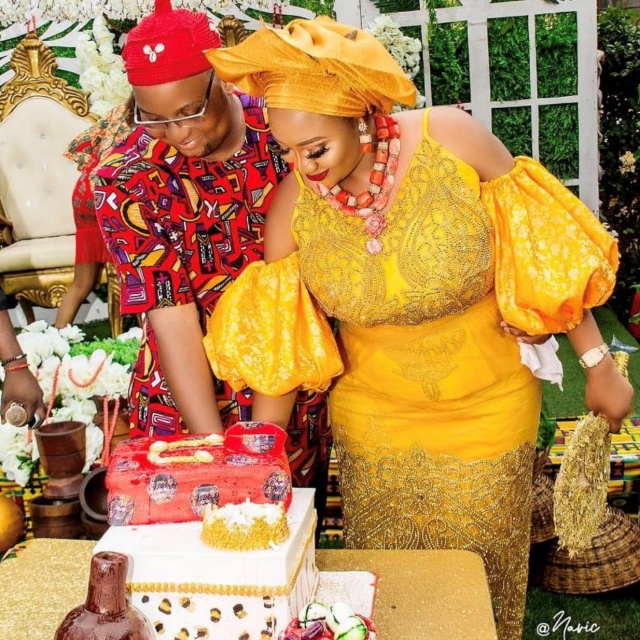
They would arrange impromptu plans merely to spend time together, leave love notes on pillows, and steal kisses in the kitchen. A natural flood of fresh affection and mutual eagerness made romance uncomplicated.
However, after seven years, things appeared to have changed significantly.
Bola spent most evenings helping their two kids with their homework while Ade, worn out from the day, worked late or browsed on his phone.
“Do you ever miss the way we used to be?” Bola said one evening as they silently cleared the dinner table. Astonished, Ade looked up. “At all times,” he replied. “However, I have no idea how to return us there.”
It’s a typical tale, a normal development that many couples experience. Life becomes hectic. There are many responsibilities. Romance’s “magic” begins to seem more like a luxury than a need. The reality is that romance doesn’t just go away; it just gets pushed to the back of the list of priorities. Making deliberate and consistent choices is the only way to keep it alive.
Romance is about meaningful actions, not extravagant ones.
Bola and Ade made the decision to start small after realizing they were drifting. They would put the kids to bed early and have “their time” every Friday night, regardless of how exhausted they were. Sometimes it was just sitting on the balcony with music and laughs, and other times it was a home-cooked meal with candles. The fact that they made time for each other alone was more important than what they did.
The idea that romance should always feel exciting and impromptu is one of the biggest misconceptions surrounding marriage. In actuality, however, romance frequently involves creating room for connection—even when it isn’t instinctive.
Regardless of how long you’ve been married, here are some tips for maintaining that passionate relationship:
- Make time for purposeful time together a priority:
Bola’s “Friday nights” with Ade became revered. Romance is built on making time for one another, free from outside distractions, whether that be through a weekly date night, early morning walks, or late-night conversations. “Even in the chaos, you matter to me” is the message it conveys. - Bring the small things back:
Do you recall your dating activities? Small presents, flirtatious texts, compliments, and surprises all had a significant impact. Flowers and dinners aren’t always necessary for romance; sometimes all it takes is a voice message throughout the day to express “I miss you” or a sticky note on the refrigerator that reads, “I’m proud of you.”Ade began sending Bola brief texts throughout the day, such as “I’m excited to see you tonight.” Even though it wasn’t much, it brightened her day.
- Continue to touch:
Hugs, kisses, holding hands, and even sitting close while watching a movie are all examples of physical closeness that goes beyond intercourse. These tiny actions preserve emotional intimacy by releasing hormones that promote bonding.According to something Bola once read, couples who touch more often have fewer arguments—not because they have fewer issues, but rather because affection strengthens bonds. Even though she was exhausted, she started kissing Ade when he got home and giving him lengthier hugs in the morning. The atmosphere between them was altered.
- Communicate in your love language:
Love is experienced differently by each person. Some people find it in words, while others find it in presents, physical contact, acts of service, or quality time. Romance remains intimate and significant when you are aware of and use your partner’s preferred language.Bola was a word lover. Ade didn’t communicate well by nature, but he began leaving voicemails or brief handwritten notes in her luggage. His love language was service; therefore, she helped him unwind after work.
- Continue developing together:
Couples who continue to learn about one another experience romance. Tastes, aspirations, and challenges change with people, and maintaining curiosity keeps the partnership interesting.While eating dinner, Bola and Ade began to ask each other new questions: What would you most like to attempt this year? Recently, what has been causing you stress? Which dream would you like to pursue further? These inquiries sparked more in-depth discussions and revealed new facets of one another.
- Once more, flirt:
Flirting is a fun way to let your spouse know that you enjoy them, not just love them, and it’s not just for new couples. A secret joke, a wink, or a playful smile all evoke the carefree spirit of early courtship. - Prevent routine from harming your connection:
Although routines are essential, the heart yearns for surprise when things become routine. To add excitement to your relationship, do new things together, like taking a cooking class, going on a weekend road trip, or even just moving things around the house.
In conclusion, Bola and Ade discovered over time that being present was more important for sustaining romance than being flawless. Even though life continued to be hectic and they still had difficult days, their attempts to rekindle their relationship provided them with warmth that got them through the difficult times.
Because passion in a marriage is something you create, not something that just happens. With attentiveness, but not with perfection. With purpose, not with fireworks.
In the end, romance—steady, considerate, and tender—is what keeps two people together even when everything else tries to pull them apart. Love may bring two people together.