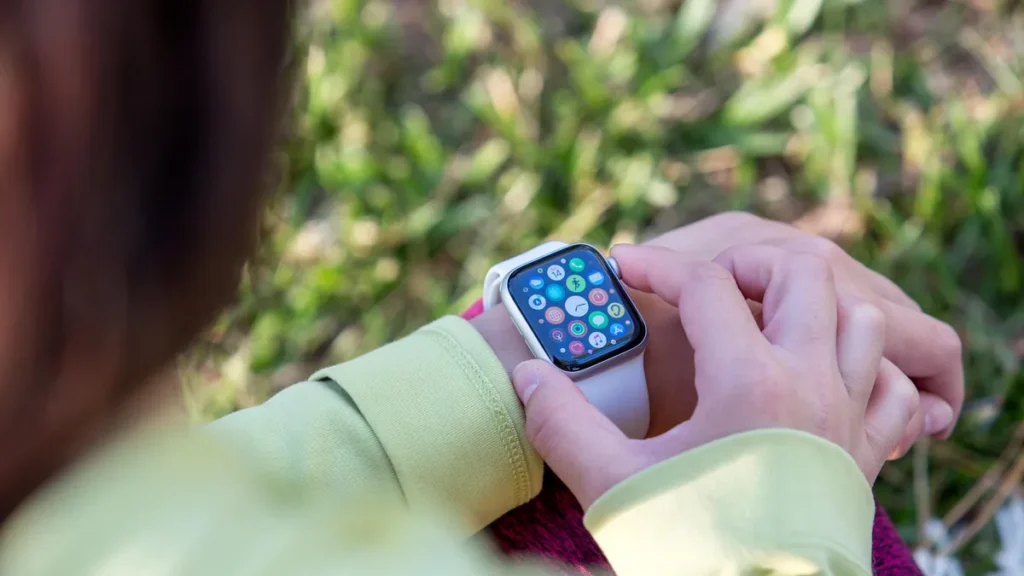
The wearable tech trend is rapidly evolving, driven by advancements in technology and user demands. The latest trends include health and wellness monitoring, which includes advanced health metrics such as blood oxygen levels, ECG monitoring, blood pressure tracking, stress and sleep quality analysis, and continuous glucose monitoring (CGM). Wearables are also integrating AI and machine learning to provide personalized health insights and predictive analytics.
Mental health is another area where wearables are gaining traction. Newer wearables include features that monitor stress levels, detect changes in mood, and track breathing patterns to suggest relaxation techniques. Mindfulness and meditation support are also being integrated into devices, helping users manage mental health more effectively.
Smart clothing and e-textiles are also gaining traction, with sensors embedded into fabrics that can monitor heart rate, posture, and muscle activity. Connected apparel with built-in tech like heating elements controlled via smartphone apps or garments provide haptic feedback, making them useful for fitness and occupational safety.
Next-Gen AR glasses are being developed by companies like Apple, Google, and Meta, providing seamless digital overlays in the real world. Heads-Up Displays (HUDs) are also being developed for use in industries like construction and logistics, offering real-time data and instructions.
Wearables are becoming more specialized in sports and fitness, focusing on advanced metrics like VO2 max, lactate threshold, and recovery time. They also provide real-time feedback on body form, helping athletes maintain proper technique in activities like running, swimming, or strength training.
Fashion and aesthetic integration are also becoming a trend in wearables, with tech companies collaborating with designers to create aesthetically pleasing devices. Customizable wearables allow users to match their personal style.
Workplace wearables are being used to monitor worker safety in hazardous environments, enabling remote collaboration and virtual meetings. Longer battery life and energy efficiency are also being achieved through solar and kinetic charging methods and low-power sensors.
Medical wearables and remote patient monitoring are also becoming increasingly common. Telemedicine integration allows doctors to access real-time data from wearables, enabling better patient management without frequent clinic visits. Medical-grade wearables, such as smart patches that continuously monitor vitals or deliver medications, are becoming more common in patient care and chronic disease management.