
Personalized treatment plans are also being developed using ML models, which analyze large datasets to predict the most effective treatments for specific patient profiles.
Machine learning also enhances medical imaging and analysis, enhancing the accuracy of interpreting X-rays, MRIs, and CT scans. This leads to better diagnostic outcomes and faster drug discovery. ML tools also help hospitals manage inventory and supply chains by predicting demand for medical supplies, reducing waste and ensuring timely availability of essential items.
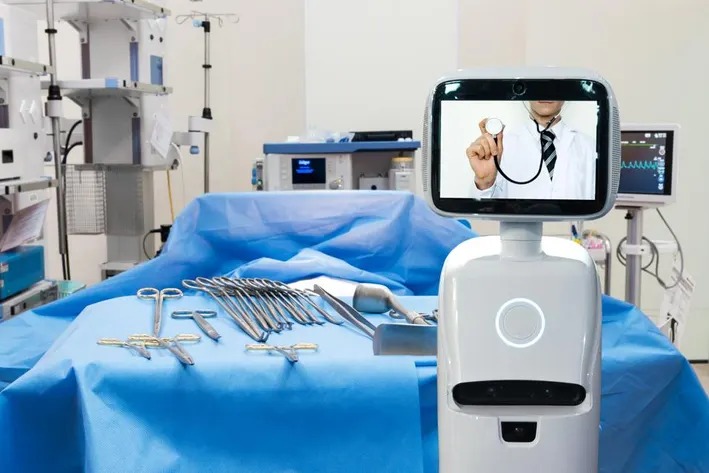
Virtual assistants and chatbots for patient care are being developed using AI-powered virtual assistants that provide instant medical advice, schedule appointments, and offer reminders for medication or follow-up visits. These tools improve patient engagement and reduce the burden on healthcare professionals. Telemedicine support is also being enhanced by offering symptom-checking tools and predictive models that assist doctors in remote consultations.
ML models are also being used for chronic disease management, monitoring and managing health deterioration and triggering early interventions. Patients with chronic conditions receive personalized recommendations and alerts based on real-time health data, improving self-management and reducing hospital visits.
Genomics and personalized medicine are also being accelerated by ML algorithms, which identify patterns in DNA sequences linked to diseases. This helps in understanding genetic predispositions and developing targeted therapies. Pharmacogenomics uses ML tools to analyze genetic data to determine how individual patients might respond to specific drugs, enabling more personalized and effective treatments.
ML also enhances clinical trials and research by identifying suitable candidates for clinical trials by analyzing patient records and matching them with study criteria. Data analysis in research is also being done by ML, identifying trends and making sense of complex biological data.
Remote monitoring and wearable technology are also being developed using ML-powered health monitoring devices that continuously track vital signs. Predictive health analytics are provided by ML algorithms, providing actionable insights to prevent emergencies or guide lifestyle changes to improve overall health.
However, challenges remain, such as ensuring data privacy, addressing biases in algorithms, and integrating AI tools into existing healthcare systems. Ethical considerations around AI decision-making in healthcare need careful attention. Despite these challenges, machine learning is reshaping healthcare by enhancing diagnostics, personalizing treatments, improving patient care, and optimizing operations.