
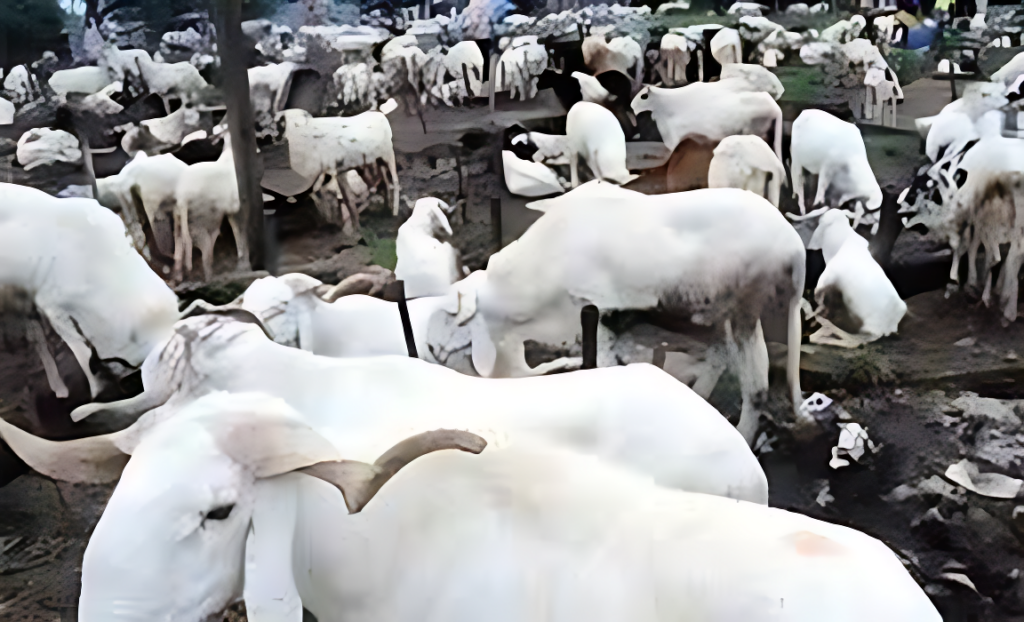
The price of ram in Nigeria has become a hot topic of conversation, especially as festive seasons approach and the demand for this livestock peaks. Across the country, particularly in major cities like Lagos and Abuja, consumers are feeling the pinch of skyrocketing prices that seem disconnected from the actual value of rams in the current economic climate.
The Current Economic Context
Nigeria’s economy has been grappling with several challenges, including inflation, fluctuating exchange rates, and disruptions in the supply chain. These factors have contributed to the increased cost of living, affecting the prices of essential commodities, including livestock. Rams, which are in high demand during festive periods such as Eid al-Adha, have not been spared from these economic pressures.
Present Prices of Ram in Lagos and Abuja
As of June 2024, the prices of rams in Lagos and Abuja have reached unprecedented levels. In Lagos, a medium-sized ram now costs between ₦150,000 and ₦200,000, while a larger ram can fetch anywhere from ₦250,000 to ₦300,000. In Abuja, the prices are slightly lower but still significant, with medium-sized rams selling for between ₦130,000 and ₦180,000 and larger rams ranging from ₦220,000 to ₦280,000.
These prices represent a sharp increase compared to previous years, putting a strain on consumers who need to buy rams for religious and cultural celebrations.
Factors Contributing to High Prices
-
Supply Chain Disruptions: The incessant attack by bandits, conflicts between farmers and herders as well as kidnapping on the highway coupled with subsequent economic instability have disrupted supply chains, making it more difficult and expensive to transport livestock across the country.
-
Inflation: Nigeria’s inflation rate has been on the rise, driving up the cost of goods and services, including animal feed and veterinary care, which in turn increases the price of rams.
-
Import Restrictions: Policies aimed at promoting local agriculture have led to restrictions on livestock imports. While the intention is to boost local production, it has also limited the supply of rams, driving up prices.
-
Seasonal Demand: The demand for rams peaks during specific periods, particularly around Islamic festivals. This seasonal surge in demand often leads to price hikes as sellers capitalize on the high demand.
Public Sentiment and Economic Implications
The public sentiment around the high price of rams is one of frustration and discontent. Many consumers feel that the prices are unjustifiably high and do not reflect the true value of the animals. This perception is exacerbated by the broader economic challenges faced by Nigerians, such as unemployment and stagnant wages.
For many families, purchasing a ram has become a significant financial burden. This has led to calls for government intervention to stabilize prices and ensure that livestock remains affordable. Potential measures include subsidies for livestock farmers, improved transportation infrastructure to reduce costs, and more robust support for local animal husbandry practices.
Moving Forward
Addressing the high price of rams in Nigeria requires a multi-faceted approach. Improving the efficiency of supply chains, controlling inflation, and supporting local livestock production are crucial steps. Additionally, increasing transparency in the market and ensuring fair pricing practices can help alleviate the financial strain on consumers.
For now, Nigerians continue to navigate the challenges posed by high livestock prices, with many hoping for more sustainable and affordable solutions in the future. The pulse of the people is clear: the current prices of rams are unsustainable and do not reflect the economic realities faced by many. Ensuring access to affordable livestock is not just a matter of economic policy but also of cultural and social significance, vital for maintaining the traditions and celebrations that are central to Nigerian life.