- APM TERMINALS, NIGERIA.
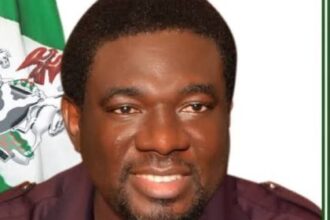
The Chief Commercial Officer of APM Terminals Nigeria, Westtar Kapito, emphasized the critical importance of sustainable transport practices during a thematic session at the 10th Nigeria–EU Business Forum in Lagos. He argued that such practices at Nigerian ports are essential for reducing emissions, enhancing operational efficiency, and achieving broader environmental and economic goals. The forum brought together various stakeholders, including government officials, private sector players, European financial institutions, and businesses, to discuss investment opportunities in key economic sectors.
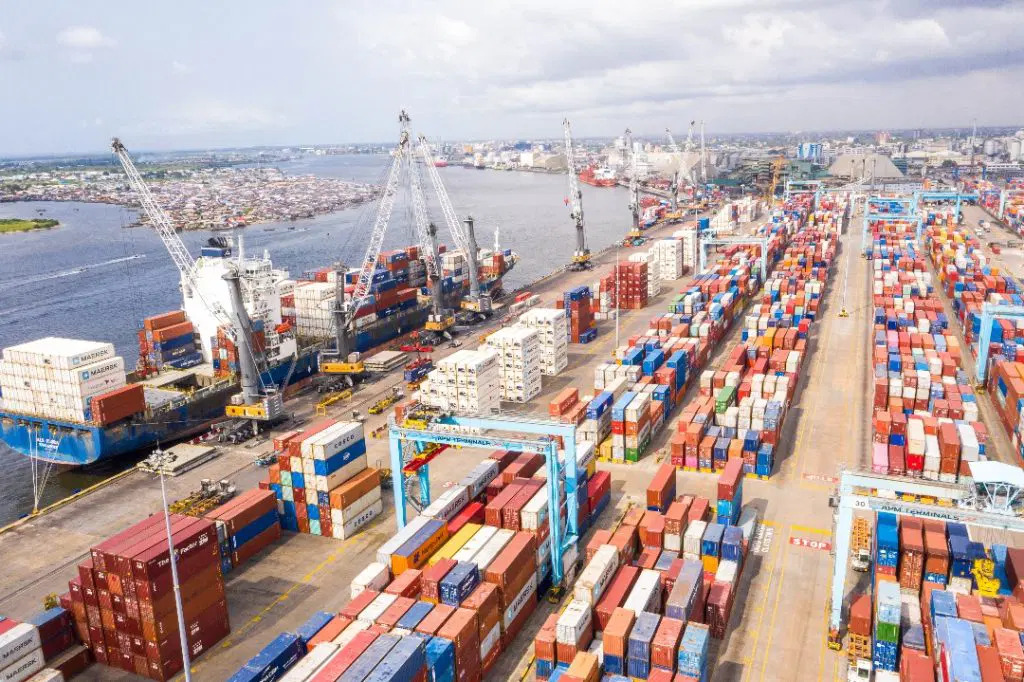
Kapito indicated that APM Terminals recognizes that the journey to sustainable transport starts at the ports, leading to substantial investments in modernizing Nigeria’s maritime infrastructure. He noted that their initiatives, including modern cranes, digital systems, and infrastructure upgrades, aim to create smarter, more connected, and energy-efficient port operations—essentially shaping the future of ports in Nigeria. Key projects mentioned included the modernization of APM Terminals Apapa and the transformation of WACT Onne into Nigeria’s first green port, alongside digitalization and collaboration with Barging Marine Solutions Limited.
Kapito described the opportunity before Nigeria as transcending sustainability, positioning the nation as Africa’s premier gateway for sustainable commerce. He asserted that sustainable transport offers immense economic potential not only by cutting emissions but also by attracting investments, enhancing supply chains, boosting energy infrastructure, and generating skilled employment. He concluded with a call to action, stating that Nigeria has the potential to lead in sustainable transport.
Other notable contributions to the session included those from the Lagos State Waterways Authority (LASWA), the Lagos Metropolitan Area Transport Authority (LAMATA), and the Nigeria Railway Corporation (NRC). NRC’s Managing Director Kayode Opeifa highlighted efforts to optimize existing rail infrastructure and emphasized the need for investments in the Lagos-Kano narrow gauge line. He recounted successful recent cargo movements and mentioned ongoing efforts to decarbonize locomotives aligning with national cleaner energy objectives, including plans to convert diesel engines to LNG, which has already shown a dramatic reduction in operational costs.
LASWA’s Managing Director Oluwadamilola Emmanuel presented initiatives aimed at improving inland waterways’ sustainability, citing the Omi Eko Project, expected to significantly decrease CO2 emissions and greenhouse gases. The project plans to develop various transport modes, including the deployment of 78 electric vessels across Lagos’ inland waterways, creating more transport options while enhancing ecological sustainability. This multifaceted approach reflects a collective drive towards an environmentally responsible and economically vibrant future for Nigeria’s transport sector.