- proposed State Police
This discussion is set against the backdrop of demands from state governors for increased constitutional authority over security operations and guaranteed funding for the proposed State Police Services. Recent reports indicate that a high-level strategic meeting organized by the Nigeria Governors’ Forum Secretariat highlighted these demands.
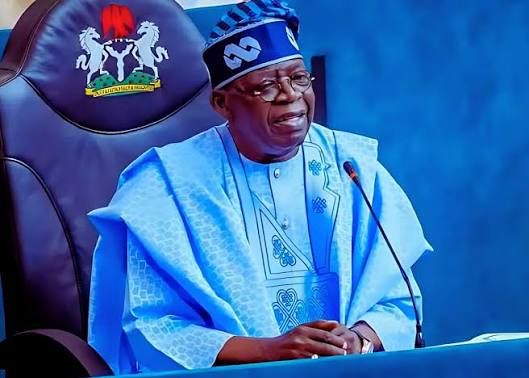
In the National Assembly, Senate President Senator Godswill Akpabio has urged full attendance for a significant constitutional vote pertaining to the proposed State Police Services, originally initiated by President Bola Tinubu’s Constitution Alteration Bill. This anticipated amendment is poised to be a pivotal moment in Nigeria’s democratic history, with debates expected to begin soon.
Retired Brigadier General Peter Aro argued for state police to be regarded as a structured security reform rather than a mere political initiative. He advocated for governors to be empowered to address local security challenges while adhering to clearly defined constitutional limits. Aro stressed the importance of state police having robust internal security capabilities, including intelligence gathering, which would establish a proactive rather than reactive security framework. He cautioned against potential political misuse of these powers, proposing that controversial cases should undergo review by a neutral judicial-security panel before prosecution.
Retired Assistant Inspector-General of Police Ali Amodu acknowledged the concerns over excessive gubernatorial control but insisted that urgent action is needed due to Nigeria’s escalating security challenges. He underscored that state governors would naturally possess significant influence over state police services, as they are tasked with funding, maintaining, and managing these forces. He emphasized the need to begin implementing state police services, suggesting that adjustments could be made post-implementation if necessary.
Brigadier-General George Edim supported empowering governors with enhanced security responsibilities in alignment with democratic principles, arguing that the advantages of decentralization would outweigh potential disadvantages. He contended that decentralization would allow governors to directly address the security issues affecting their regions.
Conversely, retired AIG Wilson Inalegwu expressed apprehensions regarding the calls for additional gubernatorial powers, advocating for strong oversight mechanisms to prevent abuses of power. He maintained that while certain policing duties would remain under federal jurisdiction—particularly those involving crimes that transcend state boundaries—state police should focus on local matters.
In conclusion, while there is a consensus on the need for improved security measures in Nigeria, differing opinions on the governance and operational framework of state police highlight the complexities of implementing this proposed change. Ensuring effective oversight and clearly defined boundaries for state police operations will be crucial to balancing state authority with the prevention of potential abuses.