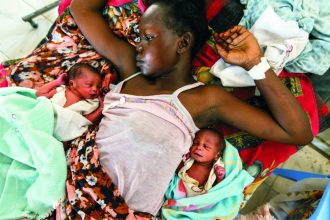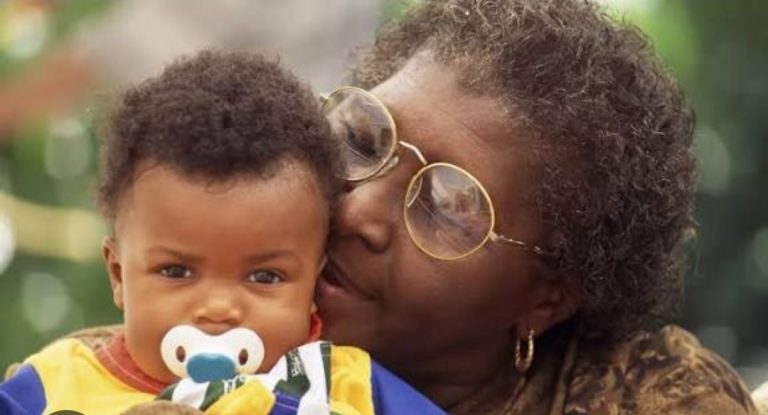
For generations, omugwo has been one of the quiet pillars of Nigerian family life. When a baby is born, a mother or mother-in-law travels, sometimes across states, sometimes across continents to help care for the newborn and support the new parents. After a few months, she returns home, her role fulfilled.
But that familiar script is beginning to shift.
Some families say a small yet noticeable number of grandmothers who travel abroad for omugwo are choosing not to come back. What was meant to be a temporary visit is, in some cases, becoming a permanent relocation.
For some women, life abroad offers stability: reliable electricity, functioning healthcare systems and a calmer economic environment. Against the backdrop of Nigeria’s financial pressures, that contrast can be stark.
Others describe more personal motivations. Some grandmothers quietly admit to feeling overlooked or unappreciated at home. Abroad, they may find themselves valued in new ways, not just as caregivers, but as individuals. A fresh environment can restore confidence and provide a renewed sense of independence.
In more difficult situations, the trip can also offer distance from strained or unhappy marriages. For a few, omugwo becomes not just a family obligation, but an exit route.
Husbands left behind may struggle emotionally, especially in communities where long separations are uncommon. Adult children can feel torn, grateful for the support abroad, yet uneasy about what it means for the family they left in Nigeria.
There is also a cultural cost. When grandparents remain overseas, grandchildren may grow up with weaker connections to Nigerian language, customs and extended family networks.
Still, experts caution against framing every case as abandonment. Migration decisions are often layered, shaped by economics, relationships and personal wellbeing. In many ways, this mirrors Nigeria’s broader wave of outward migration, commonly referred to as “japa.”
At its heart, the debate is about more than childcare. It raises questions about how ageing women are valued in Nigerian society. Many have spent decades caring for others; Husbands, children, relatives, sometimes with little emotional or financial security in return. As global mobility expands, some are reassessing what they want for themselves.
Counsellors suggest that clearer communication before and during omugwo trips can help manage expectations. Some families now plan shorter visits or arrange for both grandparents to travel together, reducing strain on marriages.
What is clear is that omugwo is no longer just a cultural ritual. It is intersecting with modern realities : migration, fulfilment and shifting gender roles.
The tradition remains strong. But like many aspects of Nigerian family life, it is evolving shaped not only by duty, but by choice.