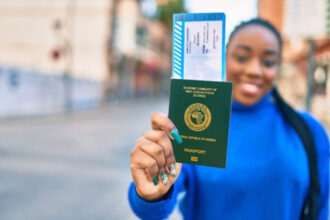

The Digital Nomad Lifestyle
People traveling worldwide and working remotely are known as digital nomads. They can work from almost anyplace as long as they have a laptop and a reliable internet connection. This location independence allows them to explore diverse cultures, climates, and landscapes without being tied to a single office or city. Whether they are freelance writers, software developers, marketers, or consultants, digital nomads leverage technology to sustain their income while satisfying their wanderlust.
Travel as an Integral Part of Digital Nomadism
The digital nomad lifestyle revolves around travel, which serves as both a backdrop and a primary source of motivation. One of the main draws of becoming a digital nomad for many people is the opportunity to explore and learn from various cultures, languages, and settings. Digital nomads can travel constantly and visit a range of locales, each with its own set of difficulties and experiences.
The travel component of digital nomadism involves living abroad for periods of time ranging from weeks to months, rather than merely traveling for vacation. Compared to regular visitors, nomads can have a fuller, more genuine experience by connecting with local populations, learning more about their cultures, and traveling at a slower pace. It also helps them strike a balance between work and play, so they may continue to fulfill their professional obligations while taking in their surroundings.
How Digital Nomads Influence the Travel Industry
Travel is a major industry affected by the rise of digital nomadism. Digital nomads are not merely transient visitors; they frequently remain for extended periods of time and support the local economy. As a result, companies and services designed especially for this group have emerged. Examples include co-working spaces, possibilities for long-term lodging, and customized travel packages.
Particularly in cities that draw digital nomads, co-working spaces have grown in popularity. By offering a formal setting for nomads to work, network, and interact with others, these spaces help to create a feeling of community among people who share similar interests. In order to attract digital nomads, a lot of hotels, hostels, and Airbnb hosts have modified their services to include extended stay discounts, dependable Wi-Fi, and cozy workspaces.
In order to better serve digital nomads, tour companies and travel agencies have started to customize their offerings and provide experiences that combine work and play. Tours that support flexible work schedules, retreats that mix adventurous activities with professional growth, and packages emphasizing sustainable and responsible travel are a few examples of these.
Challenges and Considerations
Digital nomadism has numerous advantages, but it also has several drawbacks, especially when traveling. Maintaining discipline and having exceptional time management abilities are necessary to manage professional responsibilities when on the go. In addition, digital nomads have to deal with things like tax laws, visa requirements, and consistent internet connectivity in various places. Furthermore, this lifestyle’s temporary nature occasionally contributes to feelings of loneliness or a lack of community.
The impact of frequent travel on the environment is another factor to consider. The necessity for sustainable travel habits is becoming more widely recognized as more people choose to live the digital nomad lifestyle. Slow travel, environmentally friendly lodging, and responsible tourism—where digital nomads try to leave as little of an environmental impact as possible and make constructive contributions to the places they visit—have become more popular as a result.
The Future of Digital Nomadism and Travel
With technology and globalization continue to tear down borders, the future of digital nomadism and its relationship to travel seems bright. The lifestyle will probably grow even more accessible and common as remote work gains acceptance and support from businesses and as nations grant permits to digital nomads in order to draw in long-term tourists.
This offers a chance for innovation and meeting the needs of this expanding market for the travel and tourism sector. The travel industry may develop a mutually beneficial partnership with digital nomads that benefits both destinations and tourists by providing customized experiences, supporting sustainable practices, and nurturing community.
In summary, the ability to travel and work at the same time is provided by digital nomadism, which enables people to see the globe and advance their careers. The way people live and work will change as this way of life develops, as will the ways in which they travel and participate in the tourist industry worldwide.
#naijastreetmatters
To see more of our content, like, comment, and subscribe