
The Value of Ethical Wildlife Travel
For a considerable amount of time, humans have been connecting with nature and discovering the beauties of the animal kingdom through wildlife tourism. Nonetheless, worries have been raised about how this type of tourism may affect animals and their habitats. Engaging in activities that can cause bodily or psychological harm to animals is commonplace, such as riding elephants, swimming with confined dolphins, and visiting badly run zoos. These actions also have the potential to damage habitats, disturb natural behaviors, and support the illegal wildlife trade.
By encouraging actions that are good for conservation efforts and safe for animals, ethical wildlife tourism aims to address these problems. It promotes interactions between tourists and wildlife that honor the ecosystems and natural habits of the creatures. Travelers may contribute to the wellbeing of local communities, conserve ecosystems, and protect endangered animals by supporting ethical behaviors.
Important Guidelines for Ethical Wildlife Travel
Multiple fundamental principles that guarantee little influence on animals and their habitats serve as a guide for ethical wildlife tourism:
- Natural Wildlife Habitats: The focus of ethical wildlife tourism is on seeing animals in their natural settings as opposed to in confinement. This entails backing pursuits that don’t harm animals or their habitats, such as nature walks, safaris, and bird watching.
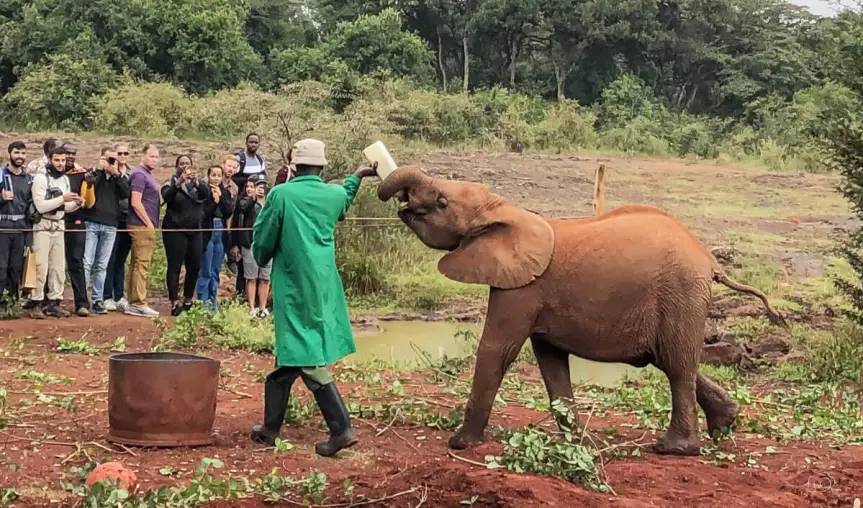
- Animal welfare: It is not recommended to engage in activities like riding or feeding animals that require close contact with them. Rather than obstructing animals’ natural behavior, ethical tourism supports actions that do just that. For instance, respecting the space of wildlife and lowering stress levels can be achieved by observing it from a distance with binoculars or webcams.
- Conservation and Education: Supporting conservation initiatives and educating visitors about the value of preserving wildlife are two main goals of ethical wildlife tourism. This may be going to conservation centers, taking part in habitat restoration projects, or endorsing eco-friendly resorts that fund regional conservation campaigns.
- Sustainable Practices: By reducing the negative effects of tourism on the ecosystem, ethical wildlife tourism supports sustainability. This entails cutting down on waste, protecting resources, and boosting the local economy by paying fair salaries and encouraging ethical tourism.Ethical wildlife tourism promotes the preservation of natural habitats, which benefits ecosystems. In order to preserve ecologically significant regions, many ethical tour companies collaborate closely with conservation organizations. This supports biodiversity and the wellbeing of entire ecosystems, in addition to helping species.
Ethical wildlife tourism offers visitors a deeper, more instructive experience. It enables kids to responsibly engage with nature and learn more about the creatures and ecosystems they are seeing. Additionally, this kind of tourism promotes stewardship by motivating visitors to contribute to conservation initiatives and make better decisions in the future.
How to Take Part in Ethical Tourism for Wildlife
Travelers who wish to partake in ethical wildlife tourism should investigate and select operators who place a high priority on animal care and conservation. This entails steering clear of attractions like petting zoos and circuses that feature captive animals in favor of activities that promote the preservation of nature and its ecosystems.
In addition, travelers may make a difference by picking eco-friendly lodging, sponsoring regional conservation initiatives, and becoming aware of how their actions affect the environment. Travelers can have life-changing encounters with wildlife while also guaranteeing that their activities support animal welfare and the preservation of the environment by making educated decisions.
There is a way to appreciate the wonder and beauty of animals without harming them: ethical wildlife tourism. It permits tourists to ethically explore the natural world and guarantees that these amazing experiences will continue to be available for future generations by placing a high priority on the wellbeing of animals and the health of ecosystems.
#naijastreetmatters
To see more of our content, like, comment, and subscribe