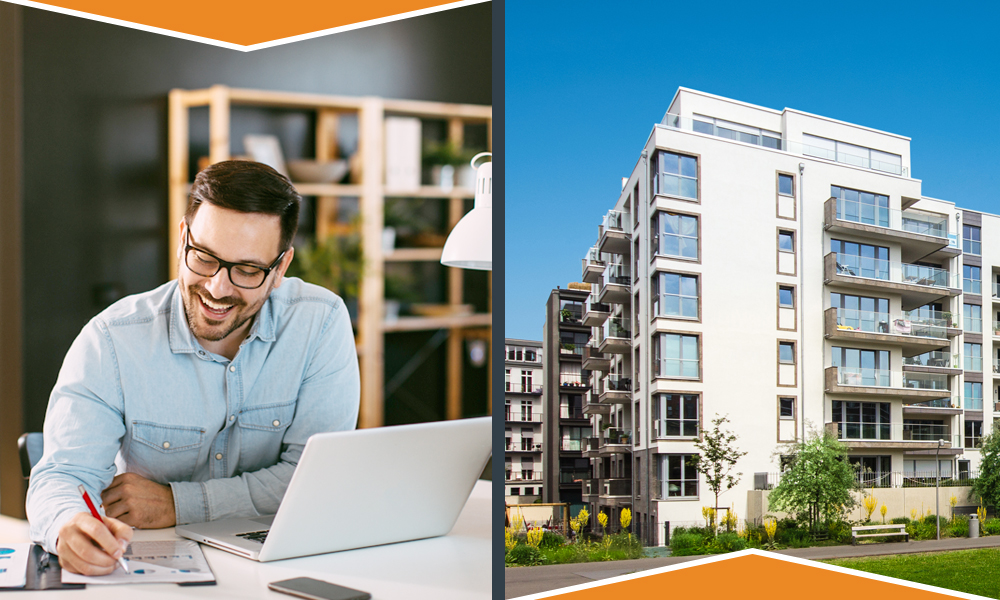
The work-from-home (WFH) trend has significantly impacted residential real estate design, leading to the creation of multi-functional spaces that cater to both personal and professional needs. This shift has led to the development of dedicated office spaces, multi-use rooms, partitioned spaces, smart home features, upgraded infrastructure, outdoor workspaces, sustainability, and wellness-focused design.
Dedicated office spaces have become more popular, with developers and designers incorporating specific rooms or nooks for home offices. Multi-use rooms are becoming standard, allowing for different uses throughout the day. Open layouts have been replaced by partitioned spaces, providing quiet areas for concentration and video calls. Soundproofing and acoustics are also being prioritized to create an environment conducive to focused work.
Smart home features, such as high-speed internet, smart lighting, temperature control, and home automation systems, are becoming essential components in real estate design. As WFH increases, homes require better internet infrastructure, particularly in office spaces. Builders are ensuring homes are equipped with sufficient electrical outlets, charging stations, and wiring to support multiple devices.
Outdoor workspaces are also becoming more popular, with designs incorporating covered patios, balconies, or decks with seating and electrical outlets. Green and natural light are becoming increasingly important, with larger windows, skylights, and proximity to outdoor gardens or courtyards being key features.
Sustainability is a priority for both homebuyers and developers, with energy-efficient appliances, better insulation, and renewable energy sources like solar panels being designed to reduce costs and environmental impact. Wellness-focused design elements, such as home gyms, meditation spaces, and relaxation zones, aim to balance work life and personal wellness, supporting productivity and overall well-being.