
This post was brought to you by Matrimonial Rights Counsel and Advocacy Initiative (MARCAIN). You may join Marcain to be a part of a big family on marriage and relationship matters. If you are going through abuse, Marcain is the right platform to join for counseling. We are a registered NGO with the Federal Government of Nigeria. To join click on the Whatsapp link: Matrimonial Rights Counsel and Advocacy Initiative (MARCAIN)
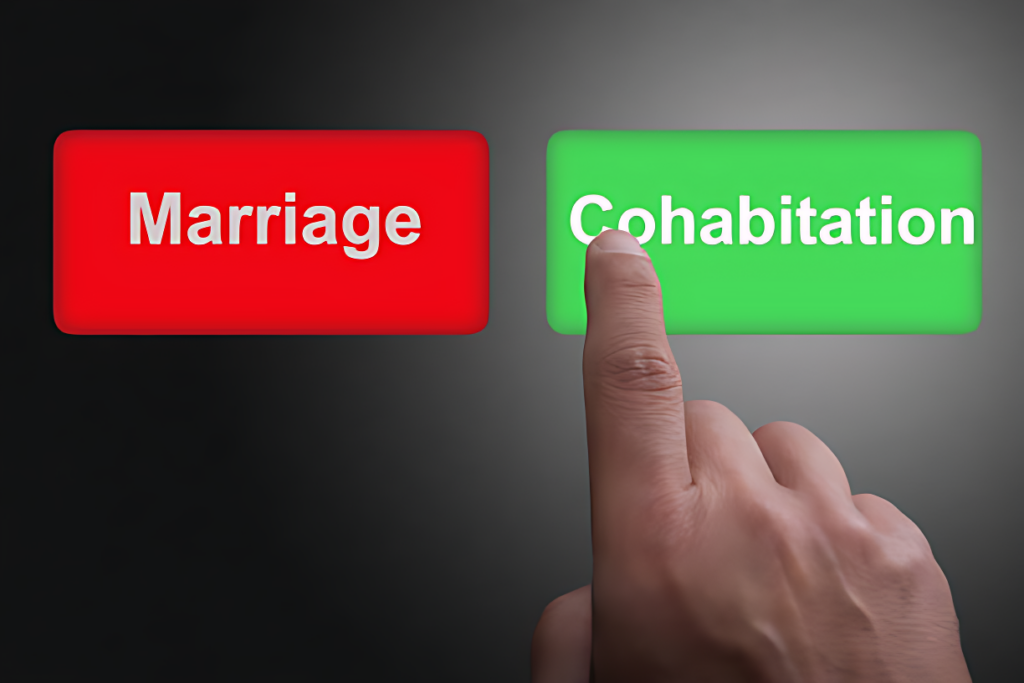
Cohabitation, or living together without being married, has become increasingly common in many societies. This trend has brought about significant changes to the traditional institution of marriage, influencing social norms, legal frameworks, and personal relationships. Here are some ways in which cohabitation is reshaping the concept of marriage:



1. Changing Social Norms and Attitudes
Acceptance of Diverse Relationships: Societal acceptance of cohabitation reflects broader changes in attitudes towards relationships. Living together without marriage is no longer stigmatized as it once was, allowing couples to openly choose this lifestyle.
Delay in Marriage: Many couples now view cohabitation as a precursor to marriage. This allows them to test compatibility and build a stronger foundation before committing to marriage, often leading to later marriage ages.
2. Legal and Financial Implications
Legal Recognition: In some countries, cohabiting couples have gained legal recognition, with laws granting rights similar to those of married couples in areas like property, inheritance, and parental responsibilities.
Financial Independence: Cohabitation allows couples to maintain financial independence while sharing living expenses. This can be appealing for those who want to avoid the legal and financial entanglements of marriage.
3. Relationship Dynamics
Trial Run: Cohabitation is often seen as a trial run for marriage. Couples can learn about each other’s habits, values, and compatibility without the formal commitment of marriage.
Flexibility: Cohabiting couples may feel they have more flexibility and less pressure compared to married couples. This can lead to more open communication and shared decision-making.
4. Impact on Marriage Rates and Stability
Lower Marriage Rates: The increase in cohabitation has contributed to a decline in marriage rates. Some couples may choose cohabitation as a long-term alternative to marriage.
Marital Stability: Research on the impact of cohabitation on marital stability is mixed. Some studies suggest that cohabitation can lead to more stable marriages by allowing couples to resolve issues before marriage. Others indicate that cohabiting couples who marry may face higher divorce rates, possibly due to differences in commitment levels.
5. Cultural and Generational Shifts
Cultural Differences: The acceptance and prevalence of cohabitation vary widely across cultures. In some societies, cohabitation is still frowned upon, while in others, it is fully embraced as a modern way of life.
Generational Perspectives: Younger generations tend to be more open to cohabitation, viewing it as a practical step in relationship progression. This shift in perspective is gradually changing the traditional view of marriage.
Conclusion
Cohabitation is reshaping the institution of marriage by introducing new social norms, legal frameworks, and relationship dynamics. While it offers flexibility and a way to test compatibility, it also raises questions about long-term commitment and the future of traditional marriage. As cohabitation continues to evolve, it will be important to understand its implications for individuals and society as a whole.
#marriage #cohabitation #relationship #cultural #couples