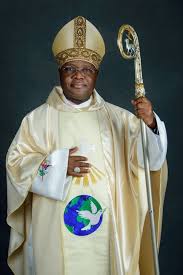
In the heart of Nigeria’s humanitarian struggle, Archbishop Ignatius Kaigama has raised a haunting alarm, displacement camps across the country are overflowing. Violence and insecurity, especially in the northern regions, have forced thousands of families to seek safety in temporary shelters that are now stretched far beyond their limits. For many, what was meant to be a refuge has become another form of hardship, marked by scarcity, disease, and despair.
The Archbishop’s words resonate deeply because they are not just statistics; they are lived realities. Behind every overcrowded camp are mothers who fled their burning villages, fathers who left their farms behind, and children who have never known a life outside makeshift tents. Nigeria’s displacement crisis is not new, but it is worsening. Continued attacks by insurgents, bandits, and communal clashes have pushed camps to breaking point, leaving aid agencies overwhelmed and communities forgotten.
The conditions in these camps tell stories of survival amid suffering. Food rations are stretched thin, clean water is scarce, and healthcare is almost non-existent. Overcrowding increases the risk of cholera, malaria, and malnutrition, while the absence of proper schooling threatens to raise a generation trapped in cycles of displacement and poverty. Kaigama’s warning is more than a moral outcry, it is a reminder that ignoring these camps means neglecting the humanity of millions of Nigerians.
Beyond the camps, the Archbishop’s message carries a deeper call to action for government, faith communities, and ordinary citizens. Relief efforts must move beyond emergency response to sustainable solutions resettlement, education, job creation, and peacebuilding. The burden cannot rest on humanitarian agencies alone. It requires national commitment and political will to restore dignity to those who have lost everything.
Ultimately, the overcrowded displacement camps reflect the fractures in Nigeria’s security and social systems. They are a mirror of violence left unchecked and promises unfulfilled. Archbishop Kaigama’s voice echoes the pain of the displaced, but also challenges the conscience of a nation: Will Nigeria continue to watch its most vulnerable languish in tents, or will it rise to rebuild hope? The answer will shape not only the lives of the displaced but also the moral fabric of the nation.