
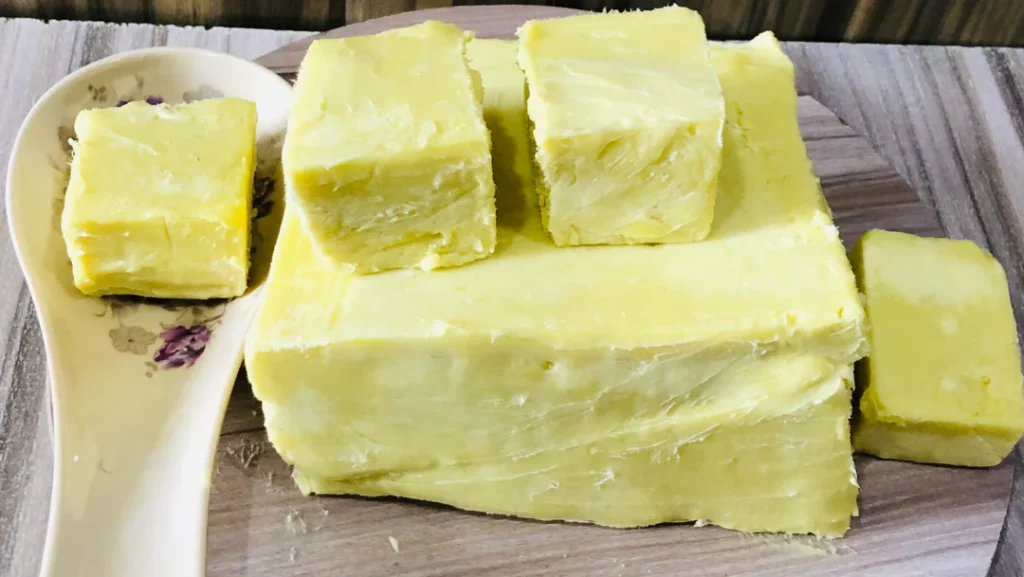
The Nigerian government has announced a six-month export ban on raw shea nuts, a bold step aimed at boosting domestic processing and ensuring that the country reaps greater value from one of its prized agricultural resources. Officials say the decision is designed to transform the shea sector from a raw commodity trade into a value-added industry that can generate significant revenue and create jobs.
According to projections, the short-term revenue impact could reach $300 million within the next six months. Beyond that, experts believe Nigeria could unlock up to $3 billion annually by 2027, provided the country builds strong local processing capacity. The move is part of a larger government strategy to shift Nigeria away from overdependence on crude oil and harness the untapped wealth of its agricultural sector.
For centuries, shea butter, derived from shea nuts has been an integral part of West African life, used in food, cosmetics, and traditional medicine. Globally, demand continues to soar, with international cosmetic and food companies heavily reliant on African shea. But Nigeria, despite being one of the largest producers, has historically earned far less than it could by exporting mostly raw nuts rather than finished products.
Stakeholders in the agricultural sector, while applauding the government’s intent, have cautioned that policy must be matched with infrastructure. They stress that without robust investments in processing plants, power supply, and export-ready facilities, the ban could overwhelm local farmers and processors, leading to short-term losses. Still, there is optimism that this policy could catalyze long-needed partnerships between government, private investors, and rural cooperatives.
As Nigeria tightens its grip on the shea value chain, the world watches to see whether this will become another policy lost in translation, or the dawn of a new era where Nigerian shea butter, proudly processed at home, becomes a global brand. For farmers in Kwara, Niger, Kebbi, and beyond, the hope is simple: that the fruits of their labor will finally yield wealth not just abroad, but also here at home.