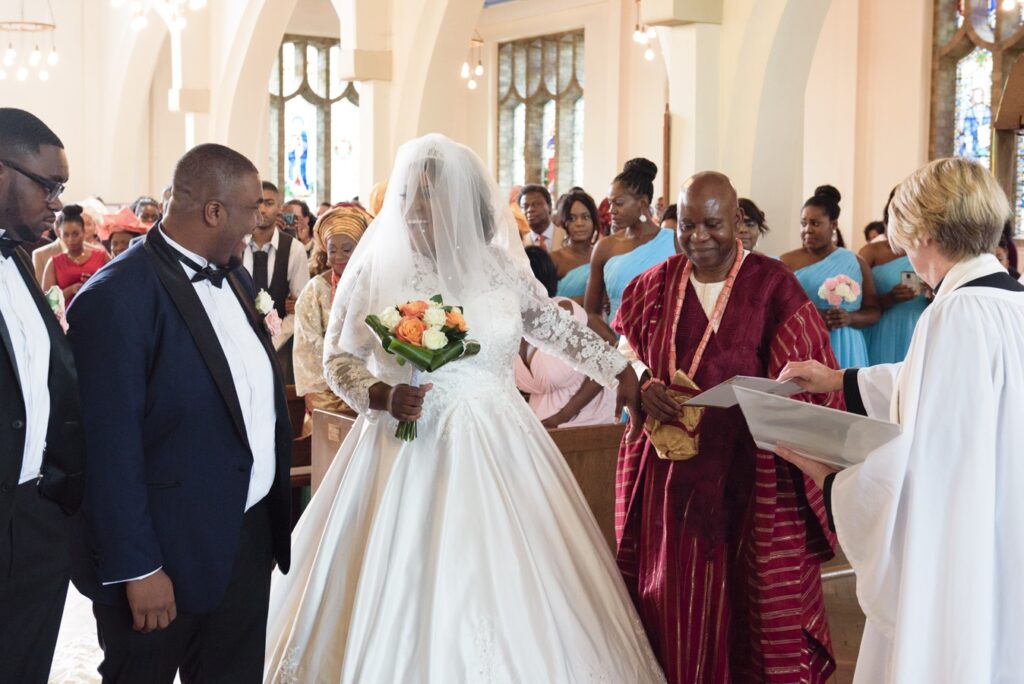
Religion affects marital customs, roles, and dynamics, emphasizing both the advantageous and difficult parts of this interaction. Throughout history, religion has served as a fundamental foundation for nations to govern and elevate marriage. Marriage rites are closely linked to religious customs and rituals in many cultures. For example, marriage is frequently viewed in Christian traditions as a sacrament, a holy agreement between two people that is witnessed by God.
Similar to this, Hinduism views marriage as a necessary rite of passage (samskara) and a sacred responsibility (dharma).
Every religion has a different definition of marriage. These meanings diverge because every religion has a different perspective on religion based on what is found in its sacred text.
Islamic marriage, or nikah, is a legally binding union in which each partner has certain obligations and rights. In accordance with Sharia law, the couple must fulfill their responsibilities to one another and have the contract witnessed.
On the other hand, marriage is seen by many Christian faiths as a lifelong commitment that can only be broken under certain conditions.
For instance, the Catholic Church emphasizes the indissoluble nature of marriage and the vow to remain together “till death do us part.” Many Christians approach marriage, divorce, and remarriage based on this perspective.
Marriage Ceremonies and Rites: The procedures and rituals connected to marriage ceremonies are frequently prescribed by religious traditions.
These ceremonies give the relationship a spiritual value in addition to serving to formalize it. Jewish marriage customs, for example, involve exchanging rings beneath a chuppah (wedding canopy), signing of the ketubah (marriage contract), and shattering of glass to represent the devastation of the Jerusalem Temple and the transience of human relationships.
The Hindu wedding custom known as saptapadi, or “seven steps,” has the couple walk around a sacred fire seven times, with each step standing in for a commitment or vow to one another.
This ceremony reinforces the social and spiritual aspects of the couple’s union by symbolizing their life journey together. Gender Roles and Expectations The duties and expectations that spouses have inside a marriage are frequently influenced by their religious views.
Religion on its own do not sustain marriage if the people involve do not sustain the dynamics of what makes marriage work and at the same time, religion plays a whole lot of roles in sustaining home and families
#naijastreetmatters
To see more of our content Like, Comment and subscribe