
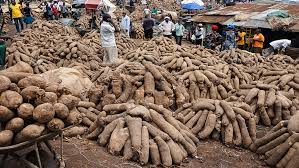
In early August, a quiet transformation begins in towns and villages across southeastern Nigeria. The scent of fresh earth and roasting yam fills the air as families sweep their compounds, adorn ancestral shrines with palm fronds, and prepare to welcome a new season.
It’s not just any celebration, it’s Iri Ji Ọhụrụ, the New Yam Festival, a deeply spiritual and communal rite among the Igbo people. Long before social media hashtags and cultural showcases, this festival stood as a living expression of gratitude, for harvest, for survival, and for the bonds that tether generations.
Oral traditions trace its origins to the town of Nri, where the first priest king is said to have offered yams to the gods before feeding his people. That act of humility and sacrifice birthed a tradition now held across Igboland. In every community, the oldest man or king performs the ritual “iwa ji” which involves cutting and tasting the yam first, to ensure peace with the ancestors. Only after that can the rest of the community eat from the new harvest. It’s a moment thick with silence, prayer, and sometimes tears.
But the festival is more than custom, it is joy, performance, and return. Sons and daughters travel from cities across Nigeria and abroad to come home. Women in gleaming wrappers stir large pots of yam porridge and palm oil sauce. Masquerades take over the village square, stomping to the pulse of talking drums. Young girls dance in matching beads, their feet kicking dust as elders clap in rhythm. Children hear folktales beside fires; disputes are forgiven; lovers meet again. For many, it is a rare chance to reconnect not just with family, but with a rhythm of life that modernity often threatens to erase.
Beyond its beauty, the festival remains profoundly relevant. It strengthens local economies, boosting markets, artisans, farmers, and performers. It also reawakens farming pride, especially among youth who often abandon agriculture. In towns like Nnewi and Umunze, this year’s organizers have tied the celebration to community driven food security campaigns and cultural education.
According to Chief Okeke of Anambra, “Our ancestors did not throw yam away. They revered it. If we forget that lesson, we may forget who we are.” Across social media, diaspora Igbos are also staging parallel Iri Ji events in Houston, London, and Accra, bridging continents through ritual and memory.
As the 2025 edition approaches, preparations are in full swing. Communal roads are being swept, dancers rehearsed, and harvests inspected for the best yams to offer. From the smallest hamlet to the most urbanized Igbo town, a quiet anticipation builds, like the ripening of the yam itself.
In a country often divided by politics and hardship, Iri Ji offers something rare: a reminder that celebration, when rooted in tradition, can heal, unite, and endure. After all, to eat from a new harvest is not just to be fed, it is to begin again.