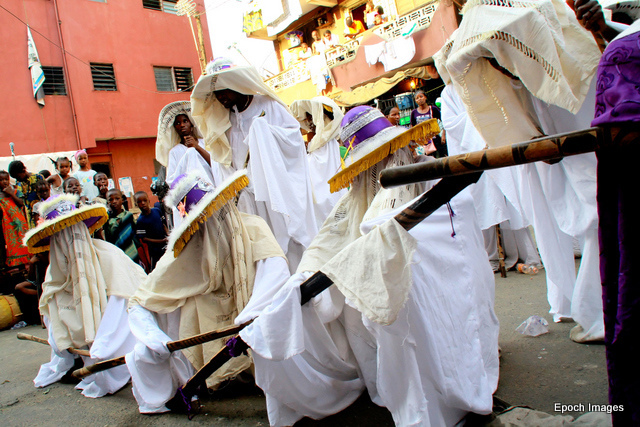
Maintaining Customs and Legacy
Tradition preservation and generational transmission are two of the main goals of cultural festivals. For generations, numerous festivals have been observed, complete with well preserved customs, dances, music, and costumes. These gatherings act as live museums, presenting the diverse range of a culture’s rituals and history.
For instance, the Chinese New Year is a deeply traditional celebration that includes lion dances, red lanterns, and the distribution of red envelopes, which are said to bring good fortune. Similar customs, such as lighting oil lamps, setting off firecrackers, and exchanging sweets, have long been associated with the Indian celebration of Diwali, also called the celebration of Lights. These customs have profound cultural and religious meaning.
Communities that take part in these events not only preserve their customs but also give the next generation a sense of pride and identity. By offering a concrete link to the past, these events make sure that cultural heritage is preserved despite modernization.
Developing a Sense of Community
Cultural festivals are frequently gathering places that help people feel united and a part of the community. They provide a chance for people from all walks of life to unite, celebrate, and deepen their ties to the community. This is especially crucial in cultures where people lead hectic lifestyles and have little opportunity for social connection.
Communities come together to plan activities, make customary food, and take part in rituals during festivals. A common goal and stronger social bonds are produced by this group effort. These events can foster a sense of community that can last a lifetime, encouraging collaboration, support between people, and social cohesiveness.
Encouraging Intercultural Communication
Cultural festivals now play a new function in the increasingly globalized world by encouraging respect and understanding of other cultures. Festivals provide a forum for cross-cultural communication and education as people from different backgrounds interact.
People can get a personal look at another culture’s traditions, cuisine, music, and artwork by going to a cultural festival held in a different tradition. Stereotypes can be dispelled, and a deeper respect for cultural variety can be fostered by this experience. Additionally, it promotes communication and interaction, which results in a society that is more harmonious and inclusive.
Impact on Tourism and the Economy
Cultural festivals have a big impact on the tourism and economy as well. They draw tourists from all over the world, stimulating regional economies and generating revenue for small companies, artists, and performers. These festivals have the power to elevate a regional celebration to a worldwide draw, promoting cultural tourism and highlighting lesser-known locations.
To sum up, cultural holidays are essential manifestations of identity, customs, and community that go well beyond simple festivity. They protect a society’s cultural legacy, encourage a sense of community, and enhance understanding between various social groupings. These celebrations serve as a helpful reminder of the value of our heritage and the splendor of cultural diversity in a world where change is a constant.