Business Communication’s Function
Information exchange, both inside and outside of a corporation, is known as business communication. It covers all forms of communication, including meetings, emails, and reports sent internally, as well as marketing materials, contacts with customers, and public relations. Making sure that information is accurately conveyed and comprehended by the intended audience is the main objective of corporate communication.
Conciseness, consistency, and clarity are hallmarks of effective corporate communication. Coherence guarantees that the communication is logical and well-structured, clarity guarantees that the message is easily comprehended, and conciseness eliminates extraneous elements that could muddy the message. Whether communication is spoken, written, or digital, these components are essential.
The avenues of communication available to us in the digital age have surpassed those of the past. Social networking, video conferencing, instant messaging, and email are now essential tools for business communication. Even though these technologies are quick and convenient, there are drawbacks as well, like the need to remain professional and make sure the message is understood.
Effective communication abilities are a prerequisite for leadership as well. A leader needs to be able to motivate their group, communicate their vision, and give clear directions. They also need to be skilled listeners, which is an important but sometimes disregarded aspect of communication. Leaders who listen to others are better able to comprehend the issues and opinions of others, which promotes teamwork.
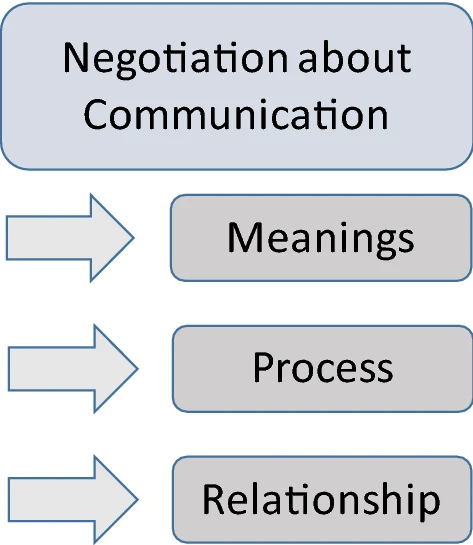
Why is negotiation important?
A mutually agreeable agreement between two or more parties is reached through the process of negotiation. Contract talks, wage negotiations, partnership conversations, and conflict resolution are just a few of the business situations in which negotiation is used. Given that it frequently dictates the terms of agreements and the caliber of partnerships and customer relationships, a company’s performance can be greatly impacted by its ability to bargain.
A combination of planning, strategy, and people skills is needed for a successful negotiation. Knowing the requirements, objectives, and limitations of each party is a necessary aspect of preparation. Knowing the worth of the items being discussed, doing market research, and foreseeing probable objections are all part of this. There’s a greater chance of success for a negotiator who is prepared.
Different situations call for different negotiation tactics. Typical strategies include competitive negotiation, in which each side seeks to obtain the best result for itself, and collaborative negotiation, in which all parties cooperate to create a win-win solution. The type of relationship and the stakes involved determine the best course of action.
In negotiations, interpersonal abilities like empathy, forbearance, and attentive listening are also essential. Finding common ground and fostering trust can be facilitated by having an understanding of the other party’s viewpoint. Negotiators also need to be able to present their points of view convincingly and clearly while being willing to compromise.
Challenges in Negotiation and Communication
Business negotiations and communication are not without difficulties, despite their significance. Miscommunication can result in tensions, misunderstandings, and mistakes that can be expensive for a company. Interactions can also be complicated by linguistic obstacles, cultural differences, and different communication styles, especially in international business.
When there is a large power disparity or strong emotions between the participants, negotiation can be difficult. In these situations, the key to a successful resolution is upholding professionalism and concentrating on interests rather than positions.
Effective communication and negotiation are essential for every firm to function smoothly and achieve success. While excellent negotiating abilities help companies close advantageous transactions and sustain great relationships, effective communication guarantees that information is conveyed accurately and efficiently. Gaining these abilities will be essential for negotiating the intricacies of the contemporary marketplace as the business climate changes more.
#naijastreetmatters
To see more of our content, like, comment and subscribe