
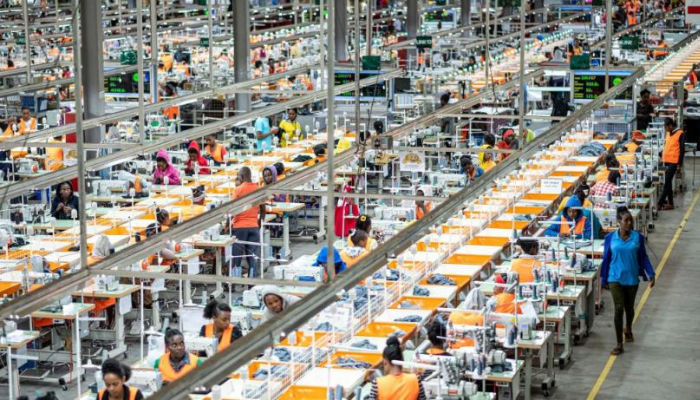
Key subsectors, including food and beverages, chemicals, pharmaceuticals, cement and refining, contributed to the improved performance.
The more stable foreign exchange market reportedly helped manufacturers access imported raw materials and production inputs more easily, while moderating inflation reduced uncertainty around operating costs.
Despite the progress, manufacturers continue to face challenges such as high energy costs, poor infrastructure, logistics difficulties and expensive financing, which remain obstacles to expanding production.
The latest figures offer encouraging signs for Nigeria’s industrial sector, but experts say sustained growth will depend on addressing these long-standing challenges and creating a more favourable business environment.