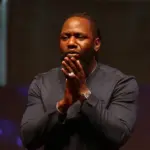
Oduntan acknowledged the hardship caused by the prolonged blackouts, saying Nigerians deserved an apology for the difficulties they had experienced.
He also expressed concern over the growing blame game among stakeholders in the electricity sector, warning that distribution companies, transmission operators, power generation companies and gas suppliers were shifting responsibility instead of working together to resolve the crisis.
According to him, the situation is similar to the disagreements that affected the power sector between 2016 and 2019.
The electricity supply crisis has been linked to inadequate gas supply to thermal power stations and reduced output from hydroelectric plants due to lower water levels. These challenges have reduced electricity generation and allocations to distribution companies, resulting in load shedding across several parts of the country.
Oduntan questioned conflicting explanations from the Nigerian Independent System Operator (NISO) and the Nigerian National Petroleum Company (NNPC) over the gas supply situation. He called on the Minister of Power, Joseph Tegbe, to bring relevant stakeholders together to establish the actual causes of the shortages and find lasting solutions.
Meanwhile, the Minister of Power has directed relevant agencies, including the Transmission Company of Nigeria (TCN), NISO and DisCos, to address operational challenges and work towards restoring stable electricity supply.
The prolonged outages have continued to affect homes, businesses and public institutions, forcing many Nigerians to spend more on petrol, diesel and alternative sources of electricity.
The development has also renewed public frustration over the country’s electricity situation, with consumers demanding improved service rather than repeated apologies from power distributors.
Nigerians are now waiting to see whether the latest apology will be followed by a lasting improvement in electricity supply.