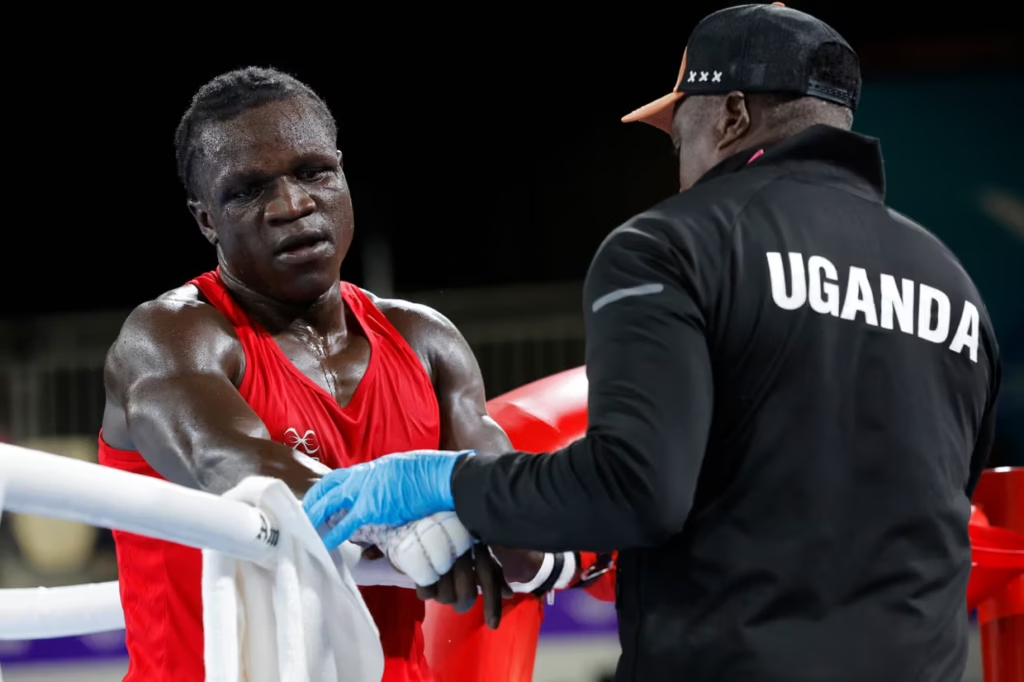
Following the disqualification, Abdul launched a heated verbal attack on the referee, clearly frustrated with the outcome. His post-fight demeanor was further marked by aversion towards journalists, particularly one from the Press Association, whom he refused to address due to prior critical coverage of his grandfather’s legacy.
Abdul remains unapologetic about his lineage and asserted that Amin’s controversial achievements inspired him. Proudly claiming his heritage, he proclaimed his intention to become “the new king of Scotland,” a nod to his grandfather’s historical aspirations to liberate Scotland from English rule. However, his performance in the ring belied that ambition; despite being down on points, he responded with aggressive tactics, notably employing a Glasgow kiss—a headbutt commonly associated with street fighting—when trailing by a score of 20-16.
Post-fight, Abdul accused the officials of bias, claiming unfair treatment during the match, referencing various fouls he believed went unnoticed. He rejected the legitimacy of the referee’s ruling that he had been knocked down from a light punch and asserted that his own heavy punches were unjustly penalized. Frustrated, he attributed the officials’ decisions to racial bias, hinting that discrimination played a role in the contest.
Abdul excused his head-butting incident, stating it was accidental and attributing his actions to his effort to regain control. He vowed his determination to achieve victory in future matches. In contrast, Damar Thomas, now guaranteed a medal, expressed mixed feelings about the fight’s outcome, acknowledging a lack of finesse but content with the result. Overall, Abdul’s debut and subsequent fallout display a complex interplay of legacy, identity, and the aspiration for redemption in sports.