
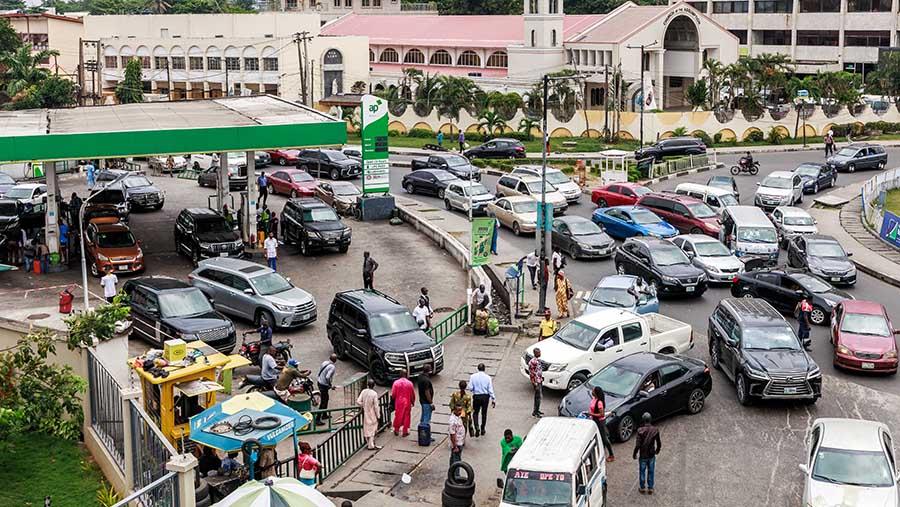
- Fuel Price Tension Grips Nigeria Again
Over the past few days, conversations across social media, markets, and transport hubs have centered around the possibility of another price shift. Even rumours alone have been enough to trigger panic buying in some areas, with long queues beginning to reappear.
Fuel is the backbone of Nigeria’s informal economy. When prices rise, transport fares increase almost immediately. Food prices follow shortly after, as logistics costs climb. For the average Nigerian, this creates a chain reaction that directly impacts daily living.
Small business owners are among the hardest hit. From barbers to food vendors, many rely on fuel-powered generators. Any increase means higher operating costs, which are often passed on to customers.
Experts warn that uncertainty itself can be as damaging as actual price hikes. When people expect inflation, they adjust behaviour, hoarding goods, increasing prices, and reducing spending.
The government continues to reassure citizens, but trust remains fragile. Many Nigerians are watching closely, hoping stability will return.
For now, one thing is clear: fuel is more than a commodity in Nigeria, it is the heartbeat of economic life.