
The recently unveiled Black Muse Festival in Benin City has quickly become one of the most significant cultural events in Nigeria’s contemporary art history. With its expansive 3,500-square-metre sculpture park, the festival merges ancient African aesthetics with modern design, creating a powerful narrative about heritage, identity, and global artistic relevance. At the heart of the festival is a mission to reclaim Nigeria’s creative legacy while creating a world-class platform for artists, collectors, tourists, and cultural enthusiasts. The launch has drawn national and international attention, positioning Benin City once again as a pulsating cradle of African art.
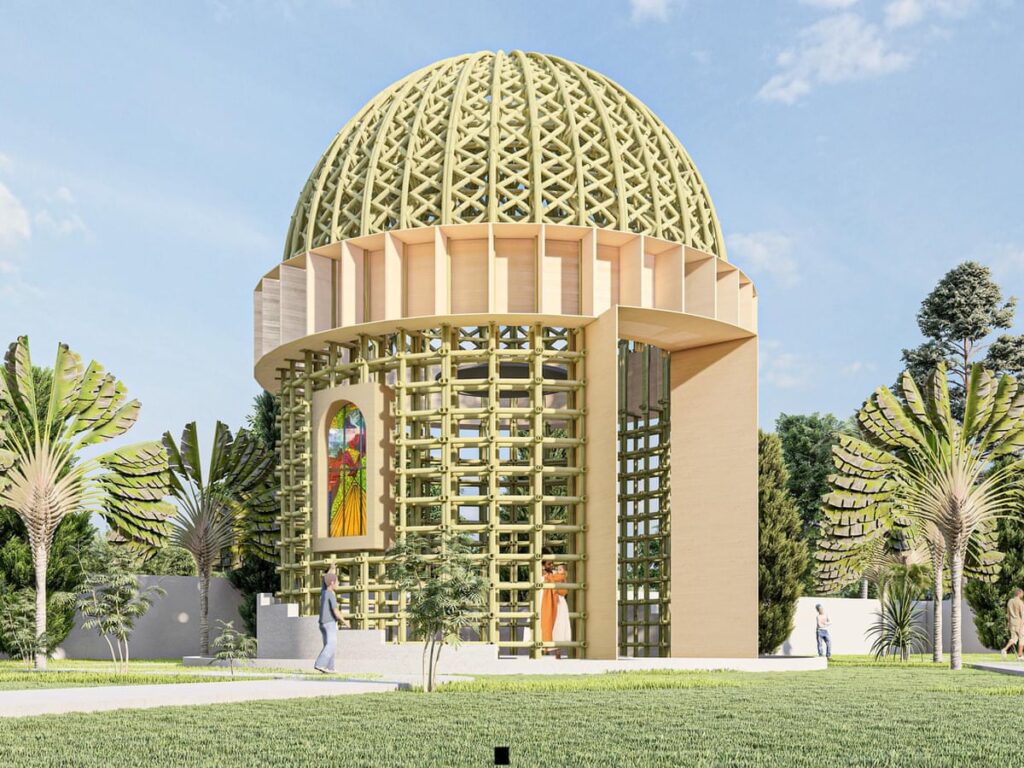
One of the festival’s most remarkable features is the 15-meter bamboo pavilion, a towering structure envisioned by Nigerian architect James Inedu-George. The pavilion draws inspiration from two Yoruba bronze busts and stained-glass artistry, blending indigenous symbolism with futuristic design principles. This breathtaking architecture is more than just a landmark, it represents continuity, resilience, and a return to tradition through contemporary expression. Visitors describe the space as spiritually grounding, an artistic sanctuary that unites old and new worlds in a visual symphony.
Beyond its architectural triumphs, the Black Muse Festival is also an immersive cultural experience. It showcases installations, sculptures, reenactments of historical stories, and curated exhibitions by renowned Nigerian artists such as Victor Ehikhamenor, whose work is deeply rooted in the spirituality and cosmology of the Benin Kingdom. Through these installations, the festival invites Nigerians and global audiences to rethink the narratives of African art moving beyond trauma, colonization, and repatriation, toward innovation, pride, and global relevance. It is a celebration of who we were, who we are, and who we can become.
The festival’s impact goes beyond aesthetics. It is also an economic and developmental catalyst for Benin City. With rising tourist inflow, brand partnerships, and renewed attention to local craftsmanship, the festival is generating opportunities for artists, artisans, tour guides, vendors, and the wider creative ecosystem. Schools and cultural institutions are already exploring collaborations to integrate the festival’s installations into educational programs, allowing younger generations to learn from tangible representations of Nigerian history and creativity. In this way, the festival is not just an event, it is an investment in cultural literacy and national pride.
Ultimately, the Black Muse Festival stands as a testament to Nigeria’s enduring creative power. At a time when many nations are redefining their cultural identities, the festival offers Nigeria a rare chance to amplify its artistic voice on the global stage. It reminds us that art is more than decoration, it is memory, resistance, healing, and legacy. Through sculpture, architecture, and storytelling, Black Muse has become a living archive of African excellence, one that will continue inspiring generations long after the festival lights dim.