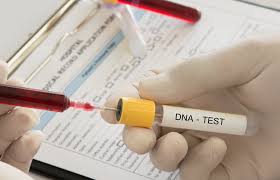
Nigeria is grappling with an unsettling revelation as the 2025 Annual DNA Testing Report from Smart DNA Nigeria sheds light on the country’s deepening paternity crisis. The report indicates a sharp 13.1% rise in DNA tests, driven in large part by immigration requirements tied to the “Japa” wave where families seek to relocate abroad and must present clear evidence of biological ties. Yet the most shocking detail lies not in the rising demand for tests, but in the results themselves: nearly 1 in 4 presumed fathers tested were not biologically related to the child. This finding has ignited debates on family stability, honesty in relationships, and the cultural silence around paternity disputes.
The data, compiled between July 2024 and June 2025, highlights two unsettling realities. First, the demand for DNA verification is no longer restricted to criminal or immigration cases but has increasingly become part of routine family life, as suspicions about infidelity or inheritance spark private requests for testing. Second, the statistics suggest a deeper issue of misattributed paternity a subject often whispered about in Nigerian society but rarely discussed openly. Beyond cultural taboos, questions of fatherhood are quietly reshaping households.
The emotional fallout of this revelation cannot be overstated. Families are finding themselves torn apart by the results of tests that were supposed to secure futures abroad or resolve disputes. For some fathers, a single test has upended years of presumed trust, while children caught in the middle are left grappling with identity crises. Advocates for children’s rights warn that while DNA tests provide clarity, they also risk destabilizing young lives if results are handled without psychological support. Mental health experts are now urging counseling services to be paired with DNA testing to help families process the life-altering information in healthier ways.
Meanwhile, cultural and legal implications are surfacing. In a society where fatherhood is tied not just to biology but also to responsibility and communal identity, the surge in disputed paternity cases raises questions about inheritance rights, custody battles, and social stigma. Religious leaders and cultural custodians are calling for calm and discretion in handling such cases, stressing that fatherhood should not be reduced solely to genetics. Legal experts, however, point out that the data highlights an urgent need to revisit Nigeria’s family laws to protect both fathers and children in cases where biological ties are contested.
What emerges from the Smart DNA report is more than just numbers, it is a mirror held up to a nation in transition, where technology and migration pressures are reshaping family dynamics. While the 13.1% rise in testing reflects growing trust in science, the fact that 25% of presumed fathers are excluded by DNA evidence demands a societal response that balances truth with compassion. As debates continue, one thing is clear: Nigeria’s evolving conversation on paternity is no longer confined to whispers, it has stepped into the public square, forcing families and policymakers alike to reckon with the fragile ties that define identity, responsibility, and trust.