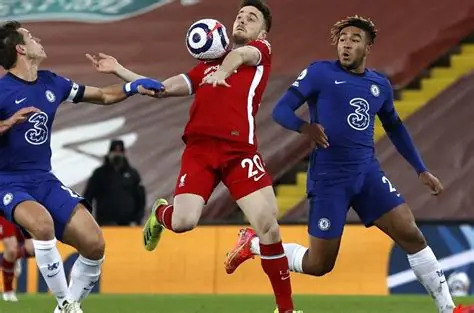
While rivals on the pitch, the decision stems from a unique clause in the FIFA competition’s revenue structure. Chelsea’s victory in the recent Club World Cup came after a tightly contested campaign, but behind the scenes, certain player agreements ensured bonuses were also distributed to parties connected to pivotal moments in qualification and progression.
Jota’s contribution to Liverpool’s own tournament journey indirectly benefited Chelsea in the competition’s seeding process, leading to their management choosing to allocate a goodwill payment to his family. Though such financial gestures between competing clubs are rare, insiders describe the move as a nod to football’s interconnected pathways and the recognition that success often builds on more than just one team’s efforts.
The decision has sparked conversation among fans and pundits about sportsmanship, financial ethics, and whether football’s governing bodies should formalise such gestures. While no official figures have been disclosed, sources suggest the amount was significant enough to reflect genuine appreciation rather than symbolic tokenism.
For Jota’s family, it is an unexpected windfall and a reminder that even in the fiercely competitive world of elite football, respect and acknowledgement can transcend club rivalries.