Although there were 1,581 laboratory-reported cases last year, which is a tiny decrease from 2023, the UK Health Security Agency (UKHSA) cautioned that the actual number is probably higher because of underdiagnosis.
All regions reported infections, but the South West, South East, and London had the highest rates.
Our correspondent received a release dated July 31, 2025, from the UK government website on Friday, which contained all of these.
Spending time outside in green areas, which people do more of in the summer, is typically how the sickness is contracted.
According to UKHSA Consultant Microbiologist Christina Petridou, “people should take precautions like checking for ticks and promptly and safely removing them after spending time in nature which will reduce chances of infection.”
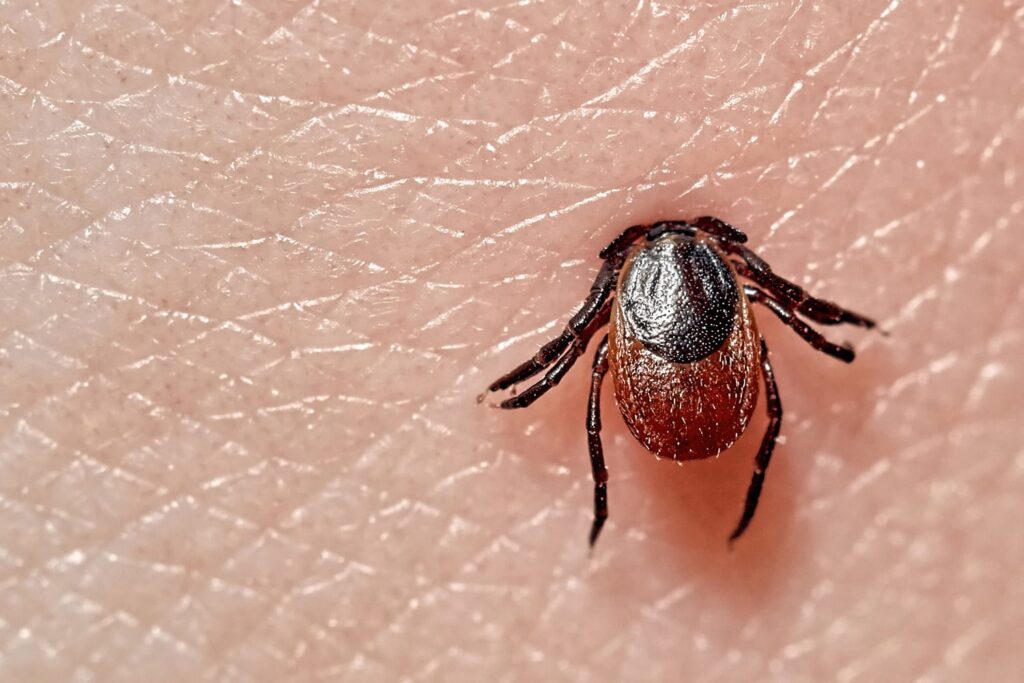
Lyme disease is a bacterial infection caused by ticks feeding on infected animals, such as deer. Early detection is crucial for the transmission of the bacteria. Common symptoms include a spreading, bullseye-shaped rash, fever, headache, and fatigue, nerve pain, numbness, or a facial droop. UKHSA recommends avoiding tick bites by sticking to footpaths, wearing long sleeves and trousers, and using insect repellents containing DEET. After outdoor activities, check for ticks and contact your GP or dial NHS 111 if symptoms appear.
Ticks are small and rarely cause pain, so regular body checks after outdoor activities can help spot them before they embed. If you find an attached tick, remove it immediately with a tick removal tool or fine-tipped tweezers, avoid squashing the tick during removal, and monitor for symptoms over the next few weeks. If symptoms like a spreading circular rash, flu-like symptoms, nerve pain, or a droop occur within a few weeks, contact your GP or dial NHS 111.
Early treatment is crucial for Lyme disease, as it can be successfully treated with antibiotics if caught early. To reduce the risk of tick bites, walk in green spaces, stick to clearly defined paths, avoid brushing against vegetation, and wear clothing that covers your skin to make it more difficult for ticks to access a suitable place to bite.