
1. Timing is Everything
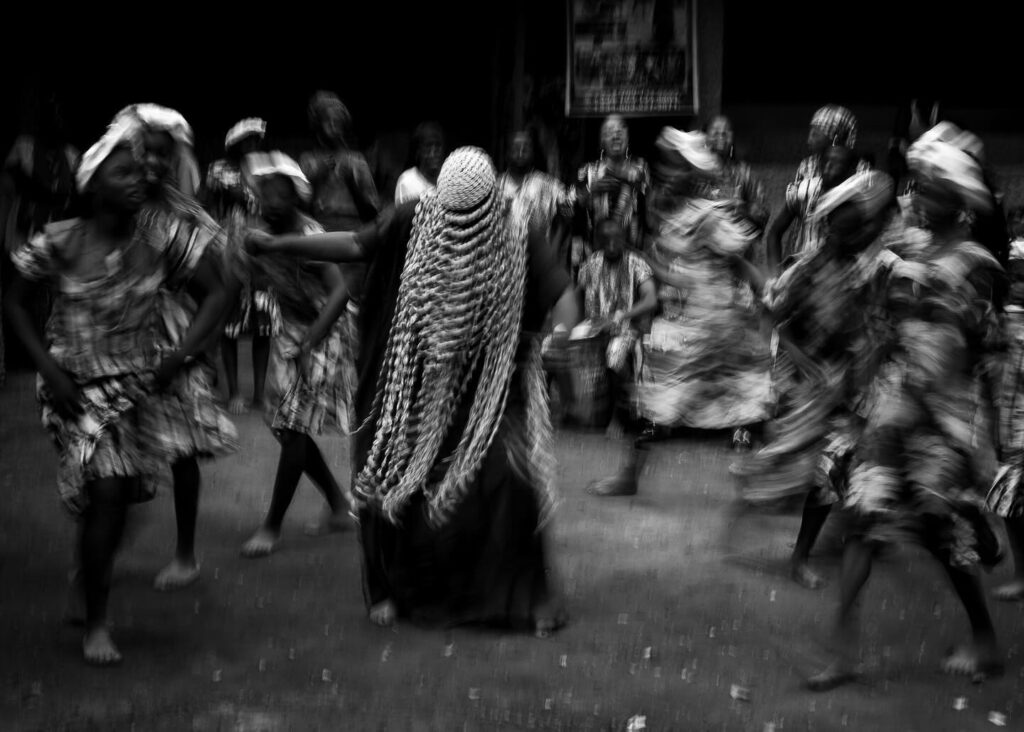
Every August, the sleepy city of Osogbo in Osun State comes alive with drumming, dancing, and prayers as thousands converge for the Osun Osogbo Festival. The two week celebration reaches its climax on the last Friday, when the sacred procession heads into the UNESCO listed grove by the Osun River. If you want to truly absorb the experience, plan your trip early enough to catch the build‑up; the town cleansing, the lighting of the sixteen point lamp, and the smaller rites that many outsiders miss.
lt is not just an event on the cultural calendar; it is a living ritual dedicated to Osun, the Yoruba goddess of fertility and protector of the river that bears her name. Devotees come seeking blessings for children, healing from illness, and renewal of community bonds. Even as an observer, the intensity of prayer and devotion is palpable, a reminder that the grove is more than a tourist site, it is sacred ground.
2. White is the Color of Purity
As you pack for the festival, you will notice a striking visual theme of white everywhere. The priests are dressed in white, the worshippers carry white cloths, even casual visitors wear white to blend into the spiritual atmosphere. In Yoruba tradition, white symbolizes purity and peace, and at Osun‑Osogbo, it signals reverence for the goddess. Choose airy fabrics; August heat can be unrelenting, and comfort will help you enjoy the day’s events without distraction. Adire is also a perfect choice as Osun herself was an Adire artist during her days.
3.) Cowries: The Perfect Festival Accessory
Cowries are more than beautiful shells; in Yoruba tradition, they symbolize wealth, femininity, and spiritual protection. At the Osun‑Osogbo Festival, adorning yourself with cowry necklaces, bracelets, or waist beads is not just a fashion statement, it is a nod to centuries of heritage. Their soft clinking blends with the drumming and chants, creating a sense of belonging among worshippers and visitors alike. Wearing cowries connects you to the river goddess Osun, whose devotees have used them for offerings and adornment for generations. For anyone attending, they are the perfect accessory to honor the festival’s spirit and immerse yourself in its living traditions.
4. Sacred Spaces Demand Respect
The heart of the festival is the Osun Sacred Grove, a lush forest that shelters shrines, sculptures, and centuries old altars. While much of the grove is open to the public, certain areas are strictly off limits to non initiates or to men, depending on the ritual taking place. When in doubt, watch and follow the lead of locals; respecting these invisible boundaries is part of honoring the community’s faith.
5. The Procession and the Arugba
The grand finale of the festival is a breathtaking procession led by the Ataoja, the king of Osogbo, and the Arugba, a young virgin chosen to carry the sacred calabash of offerings. Her journey through the crowd is silent yet dramatic, every eye fixed on her as drummers and praise singers herald her steps. For many visitors, this single moment encapsulates the power of tradition, ancient yet alive, intimate yet communal.
6. Etiquette in the Midst of Celebration
While the Osun Osogbo Festival is joyous, it is also solemn. It’s common courtesy not to touch sacred objects, interrupt prayers, or photograph people mid ritual without permission. The chants and drumming may feel hypnotic, drawing you in, but remember that for devotees, this is a spiritual covenant, not a performance. A simple nod of respect goes a long way in spaces where belief runs deep.
7. Staying Safe in the Crowd
With tens of thousands gathered, the festival can be overwhelming. The energy is electric, but so is the potential for confusion, especially for newcomers. Keep your valuables close, avoid wandering off alone at night, and trust the visible security presence but remain vigilant. Most visitors leave with nothing but good memories, but a little caution ensures you do too, there are thieves and kidnappers everywhere. Carry a waste purse, keep your valuables away, wear sneakers or slippers not heels.
8. Offerings and Personal Participation
Even if you are not Yoruba or a practicing devotee, you can participate in small ways. Many visitors collect water from the Osun River to take home as a blessing. Others bring honey, white cloth, or cowries to leave at the shrine. The beauty of the festival is its openness, outsiders are welcomed, provided they approach with humility rather than spectacle.
9. Planning Your Stay
Osogbo may be serene most of the year, but during the festival, hotels fill up fast and traffic into the grove can be intense. Booking accommodation ahead of time is essential, as is budgeting extra travel time if you are coming from Lagos or Ibadan. Many attendees walk part of the way to the grove, soaking in the drumming and chanting that echo through the streets.
10. Beyond the Festival Grounds
While the festival itself is the highlight, Osogbo’s cultural riches extend beyond those two weeks. Suzanne Wenger’s house, home to the Austrian artist who helped preserve the grove, offers insight into the fusion of traditional and contemporary Yoruba art. Nearby, Oja Oba is also a great place for tourist attraction. The Nike Art Centre showcases textiles and carvings inspired by the same sacred motifs. For the curious traveler, Osogbo is not just a festival stop; it is a doorway into the living heartbeat of Yoruba heritage.