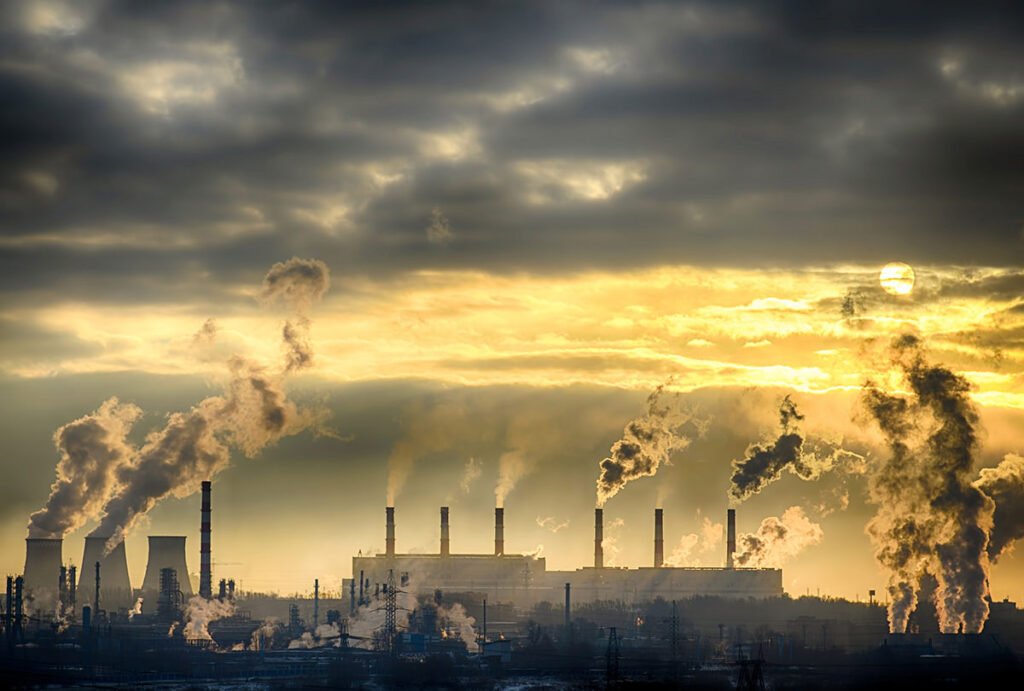
Negative effects include coastal properties risking flooding, erosion, and value decline, while heat-prone regions may become less desirable due to weak energy infrastructure. Disaster-prone areas, such as wildfires and hurricanes, often see higher insurance premiums and lower resale value.
On the other hand, cooler climates may become more habitable, boosting property demand in northern/temperate areas. Green-certified and energy-efficient buildings often enjoy higher resale values. Today’s homebuyers and investors are increasingly climate-conscious, with high-performance homes, access to water, clean air, and grid reliability becoming major considerations. ESG investing (Environmental, Social, Governance) is pushing funds toward sustainable real estate portfolios.
Rising insurance and maintenance costs are also a concern, with homeowners insurance premiums rising sharply, especially in high-risk zones. Landlords must budget more for climate-related repairs, such as roof damage, mold from flooding, and HVAC overuse. Governments are responding to climate pressures by requiring climate-resilient designs, incentivizing or mandating green buildings, and implementing energy efficiency laws for new builds and retrofits.
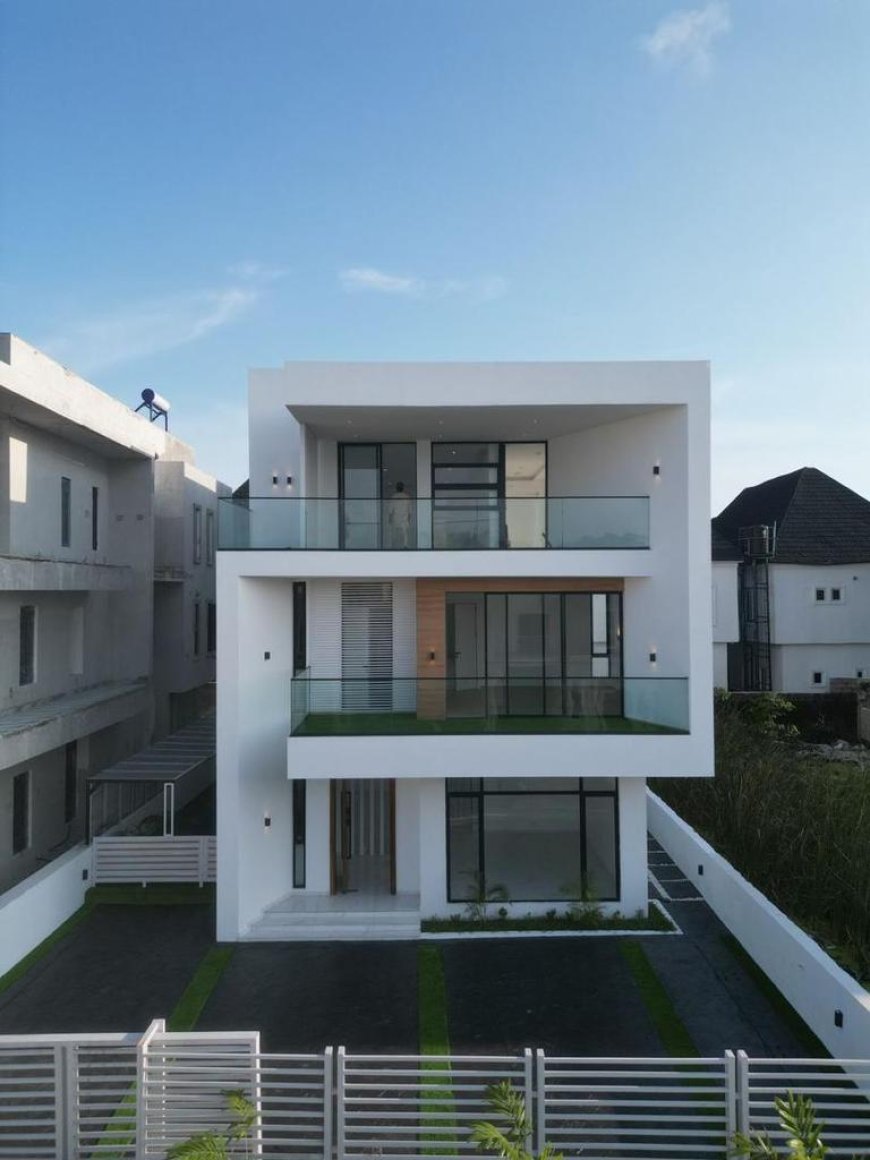
Opportunities in green real estate include tax breaks, subsidies, and quicker permit approvals for eco-friendly developments. Net-zero buildings and carbon-neutral homes are trending upward in value and public demand, and climate tech integration is becoming a selling point. In Lagos, Lekki faces flooding risks due to sea-level rise and urban drainage challenges, while areas like Epe or elevated parts of Ikorodu are gaining attention as climate-resilient zones.
Smart investors, agents, and homeowners are already assessing climate risk before buying or building, prioritizing sustainability for long-term value, and monitoring local climate policy’s impact on zoning, permits, and pricing.