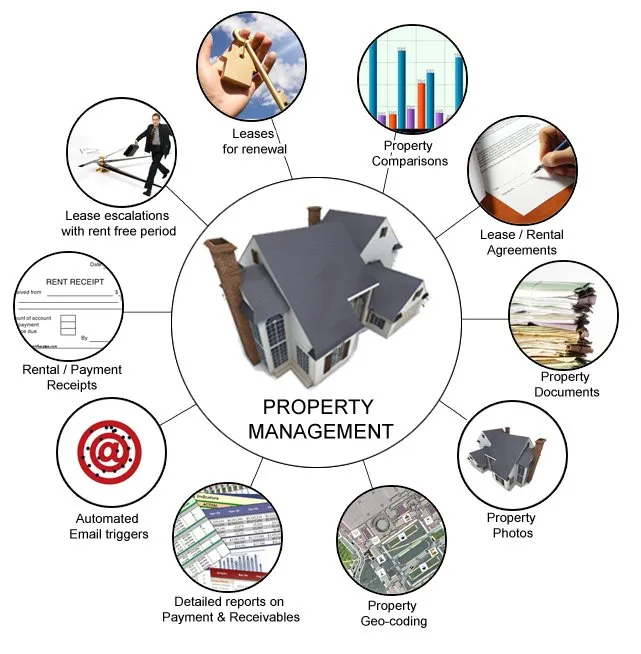
Property management software has evolved significantly over time, transforming the way landlords, property managers, and real estate investors operate. The evolution began with basic accounting and record keeping in the 1980s, followed by integrated solutions in the 2000s, such as Yardi and Buildium, which integrated financial management, lease tracking, tenant communication, and maintenance requests into one system. Cloud-based solutions allowed property managers to access their data and manage properties from anywhere, improving collaboration between team members and better service for tenants.
Tenant portals were introduced in the 2000s, allowing tenants to pay rent online, submit maintenance requests, and communicate directly with property managers. This reduced the manual effort involved in managing properties and improved the tenant experience. Advanced features and automation in the 2010s included automation of rent collection, maintenance requests tracking, and lease renewals, as well as detailed financial reporting and reporting. Mobile applications for property management increased convenience and accessibility for all parties involved.
The 2020s saw the emergence of artificial intelligence (AI) and machine learning in property management software, which is used to predict rental trends, optimize maintenance schedules, and provide virtual assistants for tenant queries 24/7. Platforms like AppFolio and Propertyware have introduced self-service models, allowing tenants to conduct tasks independently, reducing workload for property managers while improving tenant satisfaction.
Smart home and IoT integration is also becoming more widespread, allowing remote control of thermostats, lighting, and security systems, improving energy efficiency and tenant comfort. Emerging trends include blockchain and smart contracts, which allow for secure, transparent, and automated lease agreements and rent payments. Sustainability and ESG (Environmental, Social, Governance) are also being explored in modern property management software, offering tools to track and improve energy efficiency and carbon footprints.
Property management software has evolved significantly over time, providing powerful tools for landlords and managers to streamline operations, improve tenant satisfaction, and make data-driven decisions. With continuous advancements in technology, such as AI, blockchain, and sustainability tracking, the future of property management is set to become even more efficient and automated.