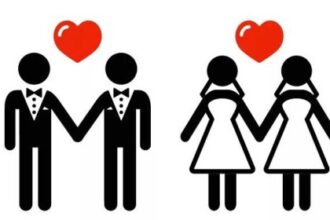

The Goal and Role of Matrimony
Economic and social alliances: Marriage is frequently organized by parents or other elders and is viewed in many cultures as a strategic alliance between families. It might place more importance on having a stable income, having a family, or combining resources and wealth.
Love and companionship: Marriage is becoming more and more seen in Western societies, particularly in the present, as a personal decision based on love, emotional ties, and understanding. The transition from conventional arrangements to love-based marriages demonstrates how cultural norms change over time.
Expectations and Gender Roles:
Patriarchal norms: Marriage perpetuates the idea that males should be the breadwinners and women should handle household duties in many civilizations. The extent of an individual’s liberty can frequently be limited by cultural expectations, since women are often pressured by society to prioritize marriage and motherhood.
Gender roles are evolving in more progressive countries, where equal partnerships, shared duties, and dual-career marriages are becoming more accepted.
Age and Timing of Marriage
Early union: Certain cultural traditions, which are frequently motivated by social, economic, or religious considerations, promote or even mandate early marriage. Young individuals may feel under pressure to get married young in order to satisfy cultural expectations, especially women.
Delay in marriage: Delaying marriage for the sake of personal development, education, and professional success is becoming more and more common in different cultures, especially in urban and modernized societies. This delay is indicative of shifting perceptions of the organization.
Anticipations Associated with Divorce
Divorce stigma: Even in circumstances of incompatibility or abuse, couples are discouraged from divorcing because of social and religious taboos, which can greatly stigmatize divorce in traditional societies. Happiness on its own is frequently subordinated to the obligation to keep a marriage intact.
Acceptance of divorce: On the other hand, certain cultures give people more latitude to end a marriage and see divorce as a personal decision. Divorce is becoming more socially acceptable, which reflects shifting perspectives on personal fulfillment.
Monogamy vs. Polygamy
Polygamy: In many societies, men are expected to be able to take multiple wives, and polygamy is both socially and legally acceptable. Reasons based on religion, history, or economics are frequently used for this.
Other cultures place a high value on monogamy because they frequently see it as a moral or religious ideal. Legal systems and societal norms around marriage practices are shaped by these expectations.
Impact of Religion
Religious expectations: A lot of marriages are shaped by religious beliefs about the roles that spouses should play, the sanctity of marriage, and the repercussions of divorcing. Marriage customs and ceremonies are frequently governed by religion, and religious groups have the power to persuade individuals to get married in line with their religious convictions.
Cross-cultural and Interracial Marriage
Cultural resistance: Because interracial and intercultural marriages can question established cultural norms and identities, they may encounter opposition in some societies. Couples who marry outside of their cultural group may face discouragement or disapproval from their families or communities.
Growing acceptance: People are accepting different cultural origins in their partnerships, and intercultural marriages are becoming more common in increasingly globalized society.
Social Status and Marriage
Class and status: Marriage is typically strongly associated with social standing in many cultures, with people being expected to marry within their class or socioeconomic group. Matrimony can be viewed as a means of preserving or enhancing family standing.
Changing views: As societies get more modern, these expectations gradually change and are now more accepting of marriages that transcend socioeconomic divides, particularly in situations where the individual is given priority.
In summary, cultural norms influence how marriage is perceived, experienced, and valued globally. These expectations can give rise to pressures, customs, and taboos that prescribe roles for spouses, determine when and why marriage should be consummated, and determine whether certain behaviors—like divorce or polygamy—are acceptable. Many cultural expectations surrounding marriage are evolving along with societies, mirroring wider changes in gender roles, personal fulfillment, and individual autonomy. However, many regions of the world still adhere to conventional conventions, demonstrating the continued strength and diversity of cultural effects on marriage.
#naijastreetmatters
To see more of our content, like, comment and subscribe