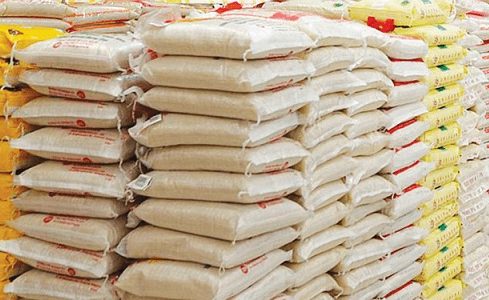
In an effort to allay public fears, a ministry representative for agriculture told our correspondent on September 15 that sales to non-civil servants would start on Monday, September 16.
We began with civil and public personnel, as they had the required qualifications. Presenting a legitimate identity card and National Identification Number is required prior to making a purchase.
“Office of the Head of Service of the Federation, Ministry of Agriculture, and the Independent Corrupt Practices Commission set up sales points,” the official—speaking in secret because she lacked the right to discuss the subject—explained.
He gave Nigerians confidence that wide public sales would start on September 16 and reiterated the government’s commitment to making sure everyone gains from the program.
“We are moving to the general public now that many civil servants have benefited,” the official continued.
Although the sales started as anticipated, many are complaining about how difficult it is to get to the sales and collection locations from rural to metropolitan areas, especially in the Federal Capital Territory.
Many residents outside the Federal Capital Territory (FCT) are unable to locate any sales points for rice, a situation that experts suggest could be due to the government’s inability to decentralise payment and collection points. Accessibility to rice is crucial for food security, and transportation costs pose a significant threat to societal welfare, particularly for rural dwellers.
Nigerians are calling for the government to decentralize collection points for rice distribution, despite the government’s efforts to alleviate food inflation. Residents of Karu, Ibrahim Abdullahi, have reported difficulties in making payments due to crowds at the Nigerian Agricultural Insurance Corporation, urging for better access to local areas.