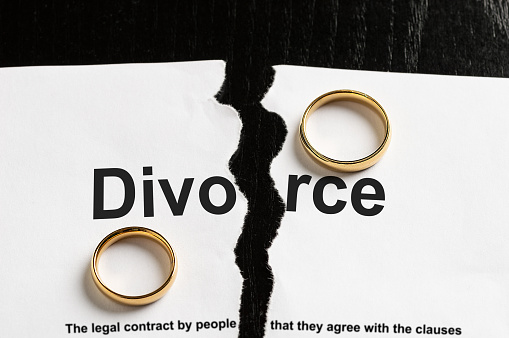
Effect on Emotions
The mental upheaval that follows a divorce is among the most severe and rapid psychological effects. For many people, the dissolution of a marriage can be perceived as a personal failure, which can result in emotions of inferiority, guilt, and humiliation. People frequently go through grief that is comparable to that which is felt when a loved one passes away. Significant emotional suffering can result from losing companionship, the family unit, and shared dreams. It’s normal to experience emotions like melancholy, loneliness, rage, and confusion throughout this time.
Feelings of rejection and a profound loss of trust can intensify the emotional effect of cases involving adultery or betrayal. This may result in an increased susceptibility to mental health problems like anxiety or sadness. It might take some time and effort to emotionally adjust to living without a long-term partner, even in cases of amicable divorce.
Effects on Self-esteem
A person’s self-esteem can be significantly impacted by divorce. A sense of failure and self-doubt can arise when a marriage dissolves, since for many people, marriage represents a fundamental aspect of who they are. People frequently doubt their beauty, worth, and capacity for sustaining deep connections. Divorce stigma in some cultures or social circles can intensify these emotions, making the person retreat socially or become more critical of themselves.
Men and women could feel this in various ways. Fears of not being able to cope on their own and emotions of financial instability are common issues for women, particularly those who have been the primary caretakers. If custody arrangements are unfavorable to them, men, on the other hand, could struggle more with the loss of regular contact with their children.
Anxiety and Stress
One of the biggest stresses in life is getting a divorce, and the resulting disruptions to finances, plans, and social life can result in long-term worry and anxiety. Tension that persists is exacerbated by the court system, possible custody disputes, and wealth division. The urge to start afresh and the uncertainty about the future can be too much for many people to handle.
Anxiety can also be heightened by the fear of being by yourself or the idea of having to start over when it comes to dating. Readjusting to life alone can be frightening and lonely for people who were in long-term partnerships.
Effects on Emotional Well-Being
Divorce’s psychological toll can result in major mental health problems like depression, anxiety disorders, and, in certain situations, PTSD (post-traumatic stress disorder). If the strong emotions that come with divorce—such as loss, grief, and anger—are not sufficiently addressed, they may become overwhelming. People who are already more likely to experience mental health issues could be more at risk during this time.
Effect on Youngsters
Children of divorce have serious psychosocial ramifications in addition to those on the divorcing couple. It’s possible for kids to feel uncertain, guilty, confused, and abandoned. It’s possible that they find it difficult to comprehend their parents’ breakup and that they hold themselves responsible for it. These unspoken emotions may eventually show up as behavioral problems, scholastic setbacks, or trouble establishing positive relationships for themselves.
Offspring of divorced parents may experience anxiety, despair, or difficulties with trust in their subsequent relationships. It is noteworthy, though, that the effects on the kids differ according on the degree of parental disagreement and the kind of support the kids get both before and after the divorce.
Recovery and Coping Strategies
Even while divorce can have a significant psychological toll, people can recover with the correct help. People who are in therapy, especially those receiving cognitive-behavioral therapy (CBT), may find it useful in processing their feelings and creating constructive coping strategies. Family, friends, and community organizations can all be a vital source of support during the recovery process. In addition, self-care practices like exercising, practicing mindfulness, and taking up new interests or objectives can assist people in regaining their self-worth and feeling in charge of their lives.
In the end, even though going through a divorce can be emotionally and psychologically exhausting, many people come out of it stronger and more self-aware. It can be a time for personal development, enabling people to rethink who they are and seek out new, healthier relationships.
#naijastreetmatters
To see more of our content, like, comment and subscribe