
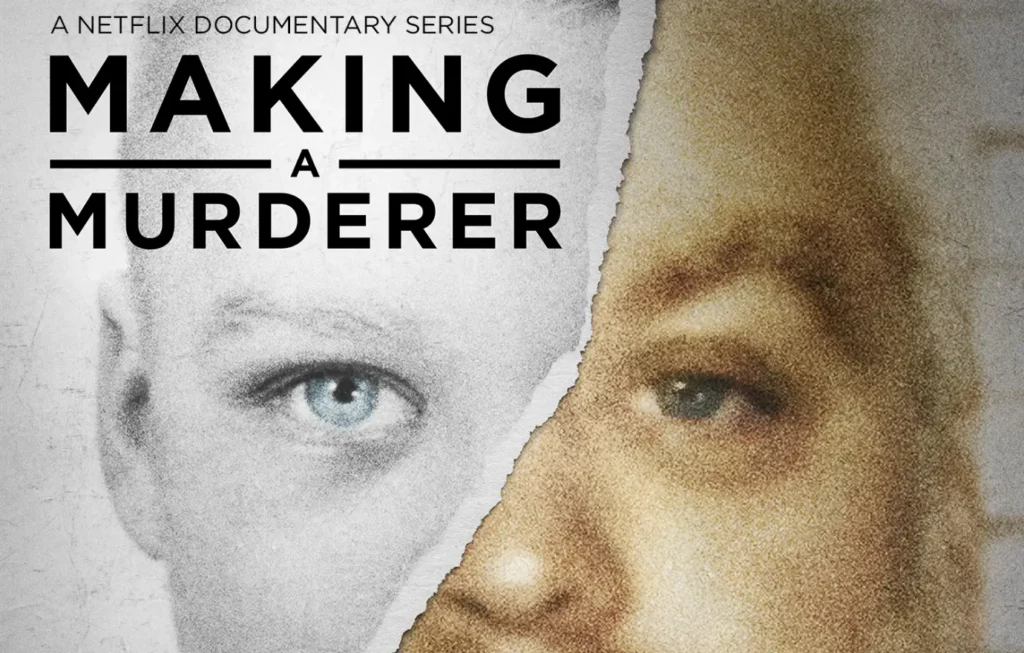
This genre delves into real-life criminal cases and has gained widespread popularity due to factors such as psychological intrigue, advancements in media production, and the role of streaming platforms.
Psychological appeal is a key factor in the rise of true crime documentaries, as they tap into a deep-seated human curiosity about the darker aspects of human behavior. Emotional engagement is also a significant factor, as these documentaries often evoke strong emotions like fear, empathy, and anger by focusing on real people and their stories.
Advancements in media production have led to high-quality storytelling, with filmmakers using dramatic reenactments, expert interviews, and archival footage to create engaging, suspenseful, and visually compelling content. Modern true crime documentaries often involve extensive research and investigative journalism, sometimes uncovering new evidence or perspectives on a case.
Streaming platforms like Netflix, Hulu, and HBO Max have played a crucial role in popularizing true crime documentaries, providing easy access to a wide range of content and broadening the appeal beyond national borders. Cultural and social factors have also contributed to the popularity of true crime documentaries, with some even sparking public discourse and calls for legal reform.
The role of social media has amplified the impact of true crime documentaries by enabling viewers to discuss, dissect, and theorize about cases. Online communities dedicated to true crime often contribute to the popularity of these documentaries, helping them go viral and attract even larger audiences.
Examples of popular true crime documentaries include “Making a Murderer” (2015), “The Jinx: The Life and Deaths of Robert Durst” (2015), “Tiger King: Murder, Mayhem and Madness” (2020), and “Don’t F**k with Cats: Hunting an Internet Killer” (2019).
Ethical considerations and criticisms of true crime documentaries include speculation concerns about the ethics of profiting from real-life tragedies, the impact on legal proceedings, and the future of true crime documentaries.
In summary, the rise of true crime documentaries is a result of psychological appeal, high-quality storytelling, and accessibility provided by streaming platforms. However, it also faces ethical challenges and evolving viewer expectations, which will shape its future trajectory.