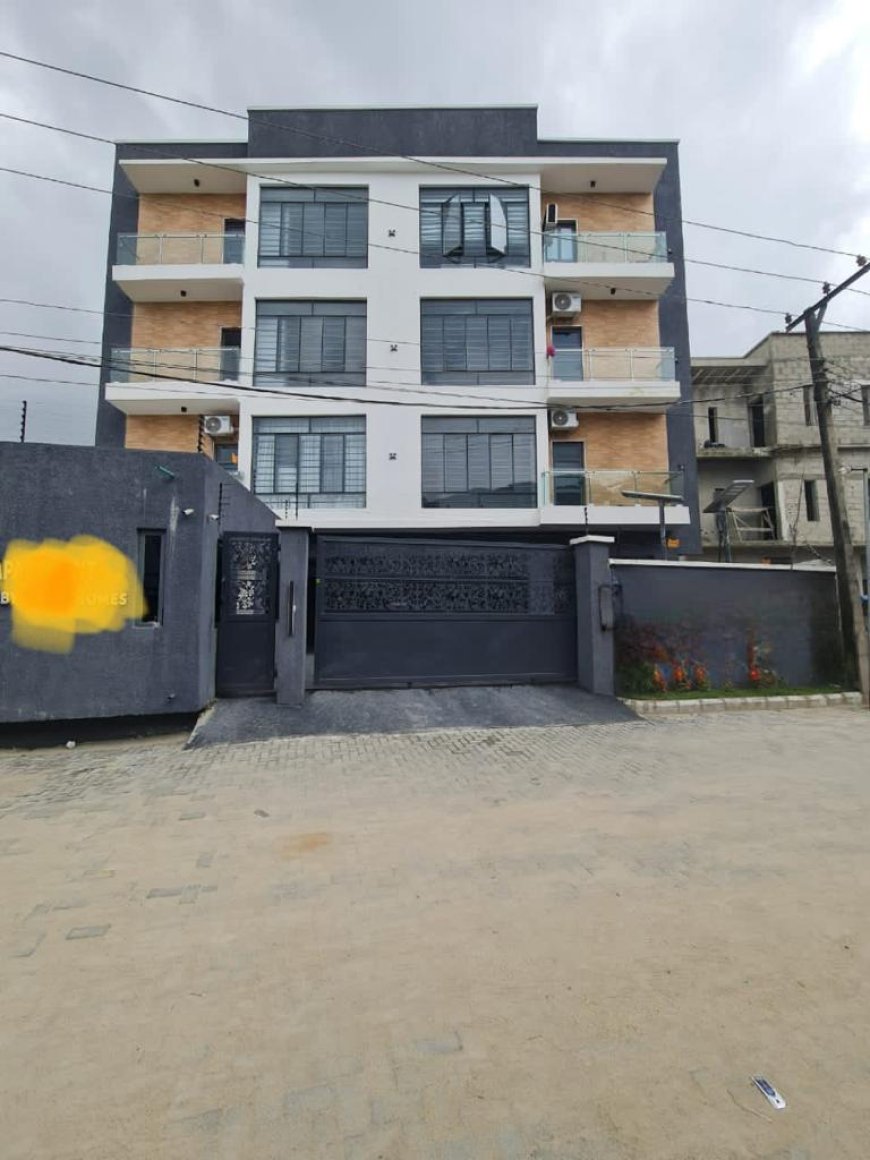
These initiatives aim to make safe, stable, and affordable housing accessible to those who may struggle in the private housing market. Here’s an overview of the key roles government programs play in affordable housing:
1. Subsidized Housing Programs
– Public Housing: Public housing is directly owned and managed by local housing authorities. It provides rental units to low-income individuals and families at below-market rates. Rent is typically based on a percentage of the tenant’s income.
– Section 8 Housing Choice Vouchers: The Section 8 program provides rental assistance to low-income families, seniors, and disabled individuals. Through vouchers, tenants can choose privately owned rental units, with the government subsidizing a portion of the rent. This program increases housing flexibility and choice for low-income households.
– Project-Based Section 8: Unlike housing choice vouchers, this subsidy is tied to specific rental properties. Tenants living in these properties pay reduced rent based on their income, with the government covering the difference.
2. Tax Credits and Incentives for Developers
– Low-Income Housing Tax Credit (LIHTC): LIHTC is one of the most important tools for promoting affordable housing development. It provides tax incentives to private developers to build or rehabilitate affordable rental housing. In exchange for the credits, developers agree to keep rents affordable for a set period (usually 15-30 years).
– New Markets Tax Credit (NMTC): This program incentivizes private investment in low-income communities by offering tax credits for equity investments. This can be used for developing affordable housing projects and revitalizing underserved neighborhoods.
3. Direct Financial Assistance
– Homebuyer Assistance Programs: Government programs like the Federal Housing Administration (FHA) loans offer low down payment options and favorable mortgage terms for low- to moderate-income homebuyers. This makes homeownership more accessible to first-time buyers.
– Down Payment Assistance (DPA): Many local and state governments provide down payment and closing cost assistance grants or loans for first-time homebuyers. These programs help overcome one of the biggest barriers to homeownership.
4. Rental Assistance and Eviction Prevention
– Emergency Rental Assistance Programs: In response to economic crises (like the COVID-19 pandemic), the government has provided emergency rental assistance to prevent evictions and homelessness. These funds help cover rent and utilities for families facing financial hardship.
– Eviction Moratoriums and Legal Support: Government interventions like temporary eviction moratoriums provide legal protection for tenants facing eviction due to nonpayment. Additionally, some programs offer free or low-cost legal assistance to tenants in housing disputes.
5. Zoning and Land Use Policies
– Inclusionary Zoning: Local governments implement zoning laws that require a percentage of new housing developments to be set aside as affordable units. This ensures that affordable housing is integrated into communities.
– Land Banking and Public Land Use: Governments may acquire and hold land for future affordable housing developments. By controlling land use, governments can strategically direct resources toward areas with high housing needs.
6. Supportive Housing and Services
– Permanent Supportive Housing: Government programs fund permanent supportive housing for individuals experiencing chronic homelessness or those with disabilities. These programs combine affordable housing with supportive services like mental health care and substance abuse treatment.
– Transitional Housing Programs: Transitional housing provides temporary shelter and supportive services for individuals transitioning from homelessness or unstable living situations to more permanent housing solutions.
7. Funding and Grants
– Community Development Block Grants (CDBG): Administered by the Department of Housing and Urban Development (HUD), CDBGs provide flexible funding to state and local governments for affordable housing projects, community development, and infrastructure improvements in low-income areas.
– HOME Investment Partnerships Program: This HUD program provides grants to states and localities for building, buying, or rehabilitating affordable housing for rent or homeownership. It also provides direct rental assistance to low-income households.
8. Regulation and Oversight
– Rent Control and Stabilization: In some jurisdictions, rent control laws are in place to cap the rate at which rents can increase, ensuring affordability over time. These regulations protect tenants from drastic rent hikes in high-demand markets.
– Fair Housing Enforcement: Government agencies enforce fair housing laws to prevent discrimination based on race, gender, disability, or family status. Ensuring equal access to affordable housing is a key aspect of government intervention.
9. Community Land Trusts and Nonprofit Partnerships
– Community Land Trusts (CLTs): CLTs are nonprofit organizations that hold land in trust for the community, allowing for the development of permanently affordable housing. Government programs often support CLTs through grants and technical assistance.
– Public-Private Partnerships: Governments collaborate with nonprofit organizations, private developers, and community groups to fund, develop, and manage affordable housing projects. These partnerships leverage public resources and private expertise to maximize impact.
Government programs are vital in addressing the affordable housing crisis by providing financial assistance, incentivizing development, enforcing fair housing laws, and implementing policies that promote housing stability. Through a combination of subsidies, tax incentives, regulatory measures, and supportive services, these programs work to make affordable housing more accessible to those in need, ultimately contributing to stronger, more inclusive communities.