
The Rise of Mobile Travel Apps
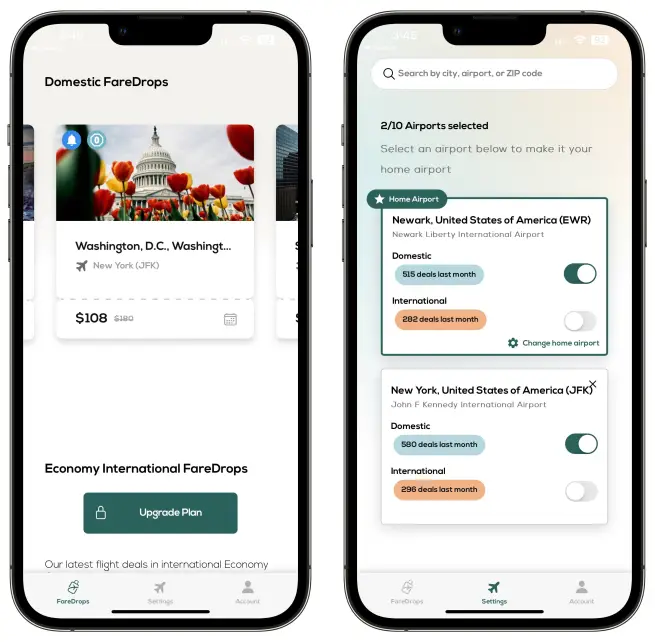
Travelers now rely on mobile apps more than ever. With just a few taps, users can search for lodging, compare rates, and book stays using apps like Airbnb, Booking.com, and Expedia. Users can find the best bargains by using real-time price alerts and predictive analytics provided by flight booking applications like Skyscanner and Hopper. With the help of these apps, travelers can now plan their trips more easily and conveniently, giving them more freedom to choose.
Mobile apps provide many features beyond simple booking and improving the overall travel experience. For example, Google Translate and Citymapper facilitate communication between people in different languages, while Google Maps and Citymapper aid travelers in navigating unfamiliar cities. TripIt and similar apps also help passengers plan their trip schedules and save all of their important information in one location. These apps’ usefulness and ease of use have made smartphones indispensable travel companions.
Artificial Intelligence and Machine Learning
Leading the way in travel technology advancements are machine learning and artificial intelligence, which provide individualized experiences and boost productivity. AI-driven chatbots, like those seen in travel companies and airplanes, offer round-the-clock customer service, instantly responding to inquiries and helping with reservations. These chatbots provide a smooth and effective customer care experience by understanding and responding to requests using natural language processing.
Personalized travel suggestions are generated by machine learning algorithms through the analysis of enormous volumes of data, taking into account user preferences, historical behavior, and demographic data. This strategy is becoming more and more common in the entertainment and retail sectors thanks to sites like Netflix and Amazon, and the tourism sector is rapidly adopting it. Artificial intelligence (AI) generates more relevant and personalized travel experiences by recommending locations, things to do, and lodging that match a visitor’s preferences. This increases consumer happiness.
Virtual Reality (VR) and Augmented Reality (AR)
Travelers’ pre-trip destination exploration is being revolutionized by virtual and augmented reality. Virtual reality (VR) technology enables users to take virtual tours of hotels, locations, and towns, providing them with an idea of what to expect before making travel plans. Through this immersive experience, travelers may reduce uncertainty and increase confidence in their decisions by making well-informed choices about what to see and where to stay.
By superimposing digital data on top of the real world, augmented reality improves travel experiences on the ground. AR apps have the capability to furnish real-time translations of foreign signs, historical information about landmarks, and user navigation in unfamiliar airports. By presenting important information in an entertaining and dynamic manner, this technology enhances the travel experience.
The Impact of Blockchain Technology
Blockchain technology is gaining traction in the travel sector by improving transaction security, transparency, and efficiency. By removing middlemen, cutting expenses, and guaranteeing safe and unchangeable transactions, blockchain can expedite the reservation process. Furthermore, the decentralized nature of blockchain can enhance data privacy, which is an increasingly important concern for tourists.
The creation of digital identity systems is one prominent use of blockchain technology in the tourism industry. With the help of these systems, passengers can safely save their personal data and exchange it with the appropriate authorities when necessary—for example, during border crossings or check-ins. This expedites the procedure and lessens the need for paper documentation, making travel more convenient.
Sustainability and Green Technology
There is a growing need for sustainable travel options as people become more ecologically concerned. The travel industry is lowering its carbon footprint with the aid of green technology innovations. For instance, eco-friendly hotels are putting in place sustainable practices and energy-efficient systems, and electric and hybrid cars are being used for city tours and airport shuttles.
Travelers are also able to make more environmentally beneficial decisions thanks to digital technologies. Travelers are encouraged to select more environmentally friendly travel options by the availability of flight filtering options on apps such as Skyscanner. A growing number of environmentally concerned tourists are drawn to this shift towards sustainability, which is also good for the environment.
Travel technology advancements are changing the travel business by providing more sustainability, convenience, and personalization. Traveling has never been better because of technological innovations like blockchain, VR, green technology, and smartphone apps. These developments are also paving the way for travel’s future. There are countless opportunities for innovation in travel as technology advances, signaling even more fascinating advancements
#naijastreetmatters
To see more of our content Like, Comment and subscribe