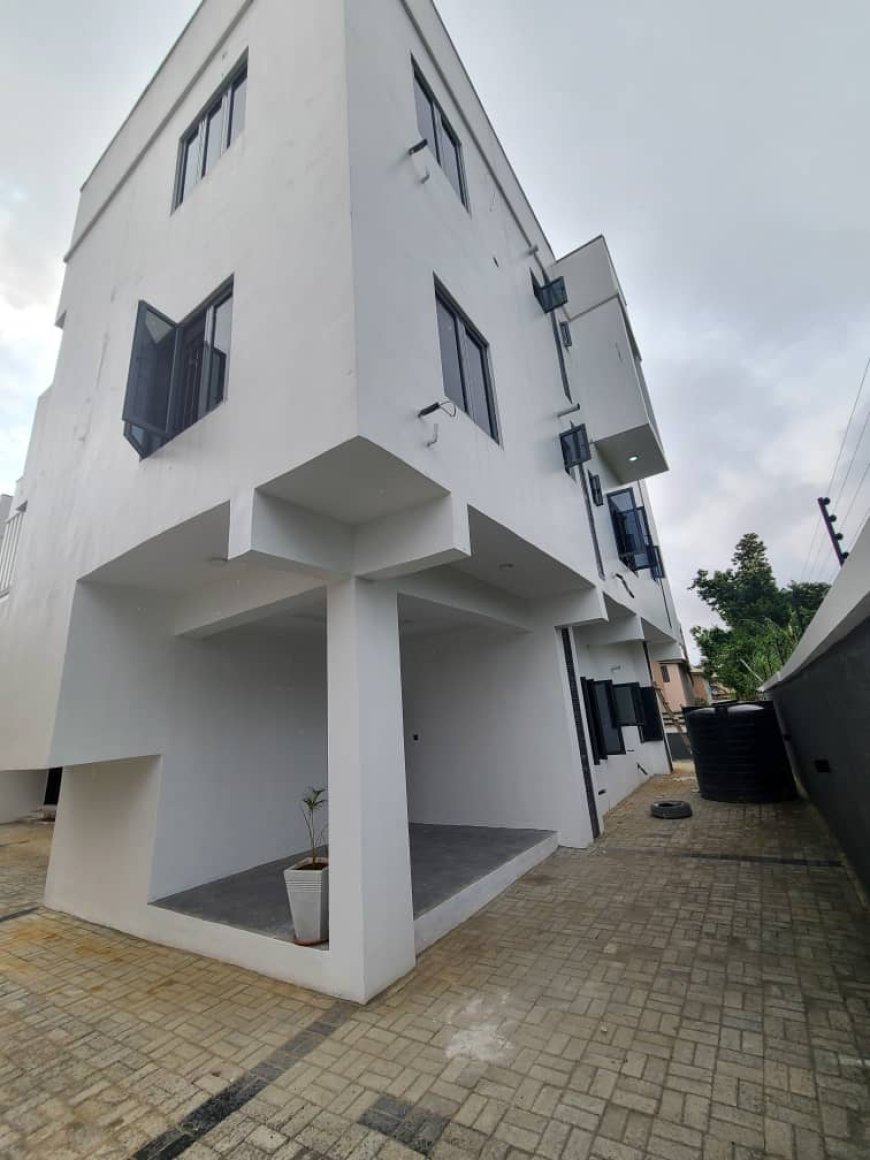
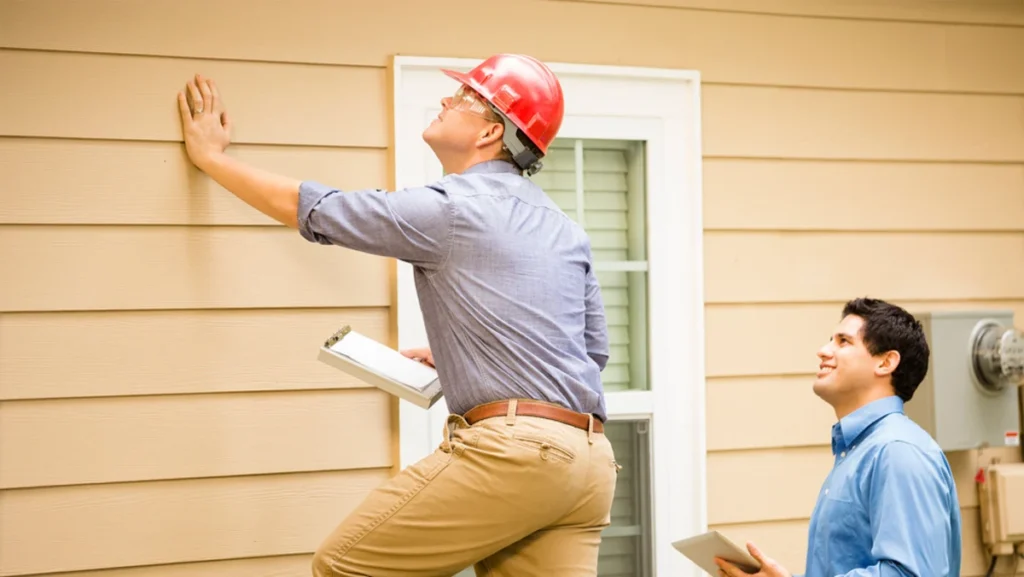
A home inspector is a crucial tool in ensuring the safety and quality of a new home. They are trained to identify defects and damage, highlighting areas that may not be visible on your own. To choose a home inspector, research their qualifications, certifications, training, knowledge of building codes, number of years inspecting homes, referrals, and related work experience.
To find a home inspector, seek referrals from family, friends, and your real estate agent. If the inspector belongs to an industry organization, they follow codes and standards set by those organizations.
After choosing a home inspector, attend the inspection and review the inspection report. Before the inspector begins, carefully inspect the house to identify defects and damage, taking pictures of any that needs repair. The inspector then provides a list of defects that need repair, which you should read carefully and ask about any questions you may have.
If the home fails inspection, consider changing the agreement to cover necessary repairs or renegotiating the purchase price to cover repair costs. If the defects are serious enough, you may be able to cancel the agreement to purchase the property.
At the final walk-through, bring the contract, inspection report, disclosure agreement, phone or camera for taking pictures of unrepaired defects. Check electrical outlets for hazards, test appliances, remove unwanted items, verify repairs, inspect faucets, sinks, tubs for leaks, mold, water damage, and remove garbage and debris. Ask the seller for appliance and system manuals, garage openers, and alarm codes.
#naijastreetmatters
To see more of our content
Like, Comment and subscribe