- Senators and 100 billion SUVs.
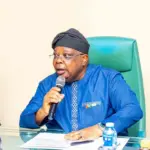
Adaramodu argued that senators were neither parties to the procurement exercise nor participating in the acquisition process in response to a recent court decision on the purchase of official vehicles for members of the National Assembly.
According to him, the National Assembly’s administration is solely in charge of choosing, acquiring, and allocating vehicles for committee and legislative functions.
Legislative assignments and committee work are decided by the bureaucracy, which also furnishes official vehicles. “No senator has a car registered in their name,” he stated. The politician clarified that the cars are exclusively utilised to support official legislative duties and remain government property for the duration of a senator’s term.
The Ekiti South Senatorial District’s representative, Adaramodu, went on to explain that lawmakers can only purchase these cars at the conclusion of their terms through authorised payment plans and established government processes.
Adaramodu contended that rather than focusing on specific legislators, any legal problem pertaining to the procurement procedure should be addressed to the appropriate administrative agencies within the National Assembly that are in charge of conducting such transactions.
The senators were not brought before the court. The National Assembly bureaucracy’s relevant departments are in charge of procurement. He said that lawmakers are not involved in the procurement process. The senator reaffirmed that legislators should not be held accountable for decisions made by the National Assembly’s staff and that the body follows established administrative and procurement protocols.
The National Assembly’s N110 billion automobile purchase and allowance programs were declared illegal by the Federal High Court in Lagos because they went against both public trust and procurement laws. The Socio-Economic Rights and Accountability Project (SERAP) started the lawsuit, which exposed a conflict of interest among MPs who authorised advantages for themselves. Justice Bogoro claimed that the allocation violated public officials’ fiduciary duties and went against their sworn oaths, highlighting the distribution’s disregard for Nigeria’s economic difficulties. The court ordered future public expenditures to be transparent and accountable.