In the last decade, Nigeria has witnessed the explosive rise of a new class of entertainers, the digital creators. From skit makers who became household names, to fashion influencers redefining trends from Oshodi to Obalende, the creator economy has rewritten the script on what it means to “make it” in entertainment. Social media platforms like TikTok, YouTube, and Instagram have become launching pads for careers that once needed a producer, a label, or a studio. In theory, it’s a golden age, where talent can meet an audience without gatekeepers. But behind the filters, fame, and follower counts lies a critical question: is this model sustainable, or is it a glittering bubble waiting to burst?
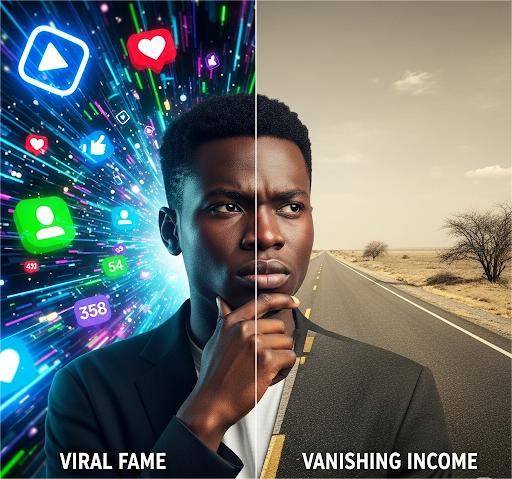
The challenges are layered and complex. Monetization remains the biggest stumbling block. While platforms promise creators the chance to earn through ads and sponsorships, Nigeria’s poor digital infrastructure, low CPM (cost per mille), and limited brand collaborations mean that most creators earn far less than their counterparts in the West. Even YouTubers with 100,000+ subscribers often struggle to make a decent monthly income due to weak monetization metrics and inconsistent viewership. For many, virality does not equal financial stability. And in a country where the economy is already volatile, relying solely on digital influence can feel like building a house on sand.
Then there’s the pressure to stay relevant. In the creator economy, attention is currency, and the shelf life of relevance is terrifyingly short. Today’s trending content could be forgotten tomorrow. Many creators find themselves trapped in a cycle of burnout, churning out content at breakneck speed just to keep engagement alive. Creativity becomes commodified, and the joy of expression is replaced by the anxiety of algorithms. Without management structures, mental health support, or income diversification, creators often spiral publicly or in silence. The fame they once craved can quickly become a prison.
Yet, despite the pitfalls, the Nigerian creator economy is not without promise. The key lies in building beyond platforms. Creators like Taaooma, Korty EO, and Bimbo Ademoye have begun evolving their brands into businesses venturing into film, merchandising, digital courses, and brand partnerships that transcend one platform. Communities are forming around creators, not just their content. When creators begin to see themselves not as entertainers but as enterprises, the model starts to shift from short-term buzz to long-term influence. The future lies in owning content, data, and distribution leveraging the power of digital without becoming slaves to it.
Ultimately, whether the creator economy in Nigeria becomes a boom or bust depends on what happens next. Will creators form unions? Will tech companies localize payment systems and offer better support? Will government and private stakeholders invest in digital literacy and infrastructure? If these questions are answered wisely, the creator economy can be a powerful tool for economic growth, youth employment, and cultural export. But if left to chance, we may simply witness a loud explosion followed by a quiet fade. The time to structure the chaos is now.