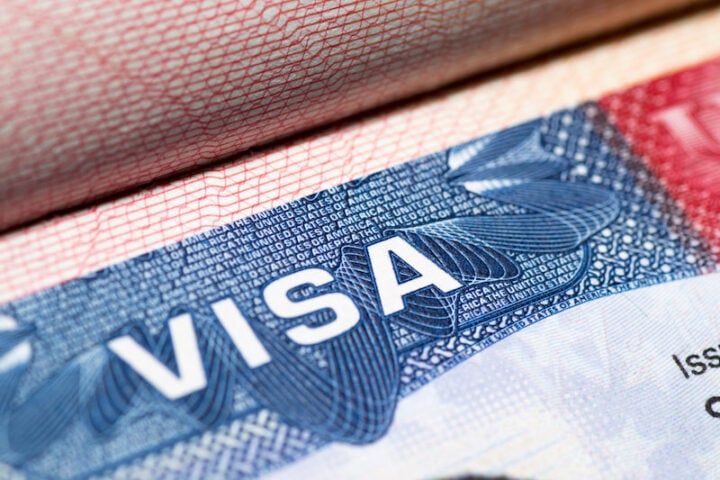
In a significant escalation of visa vetting, the U.S. Embassy in Nigeria currently requires applicants for F (academic), M (vocational), and J (exchange visitor) nonimmigrant visas to provide all social media usernames they’ve used over the past five years. Moreover, these accounts must be set to public, enabling immigration officers to review applicants’ entire digital footprints during the screening process.
Breaking it down within the narrative:
-
What’s new? Beyond listing social media handles on the DS-160 form, applicants must now also make their profiles public. This change is meant to support the U.S. government’s “comprehensive and thorough vetting” efforts.
-
Why it matters: Nigeria’s digitally active population often uses social platforms for political discourse, creative expression, or entrepreneurship. Making profiles public may expose applicants to disproportionate scrutiny, raise privacy and expression concerns, and potentially delay or result in visa denials.
-
What’s at stake: A visa remains a discretionary privilege. The requirement signals that personal online behavior is now a formal component of eligibility screenings. Missing or private accounts could be interpreted as evasive or suspicious.
This shift reflects global trends where governments increasingly integrate digital footprints into immigration checks. For many prospective Nigerian students and professionals, the line between personal expression and eligibility may blur, as what was once private becomes part of national security routines.