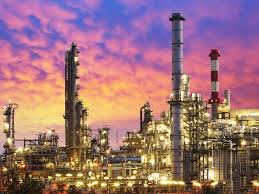
Nigeria’s much-celebrated Dangote Refinery has temporarily suspended petrol sales in the naira, sparking concerns about the nation’s foreign exchange system, energy security, and economic stability. The refinery, which has been touted as a game-changer for Africa’s largest oil producer, cited unsustainable crude allocations under its existing local currency arrangements as the primary reason for the suspension.
The move highlights a persistent contradiction in Nigeria’s energy economy: despite being Africa’s top oil producer, the country remains heavily dependent on imports and foreign exchange to stabilize its fuel supply. By halting naira transactions, the Dangote Refinery has exposed the fragility of relying on local currency when upstream suppliers prefer payment in dollars due to global oil pricing mechanisms.
For ordinary Nigerians, the development could mean further volatility in fuel prices and availability. Already, households and businesses are grappling with soaring inflation, high transportation costs, and a weakening naira. If the suspension drags on, fuel importers and independent marketers may push for more dollar-denominated transactions, potentially worsening scarcity and driving up prices at the pump.
From a policy perspective, the Dangote Refinery’s decision underscores the urgent need for Nigeria to resolve the mismatch between crude oil supply policies and downstream refining expectations. While the government has promoted local refining as a solution to fuel import dependence, the sustainability of such projects requires clear agreements on crude allocation, pricing, and the currency of settlement. Without these, private refineries may find it more viable to sell abroad or demand foreign currency locally, undermining the naira’s role in domestic trade.
Ultimately, this suspension is more than a business adjustment, it is a signal to regulators, investors, and citizens that Nigeria’s energy future requires bold reforms. Transparent policies, competitive incentives, and a more stable exchange framework are essential if the country wants to reap the full benefits of hosting Africa’s largest refinery.