
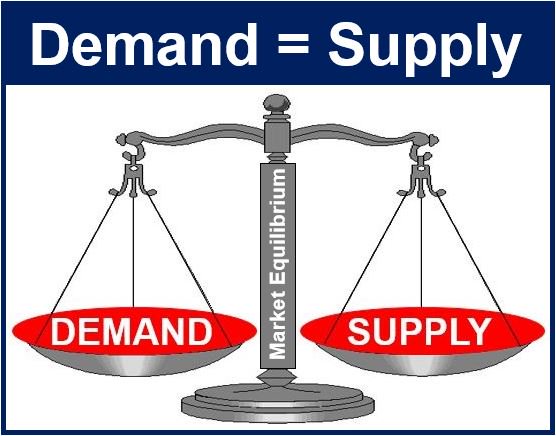
Imagine a street vendor trying to sell mangoes: when mangoes are abundant after the rainy season, the price drops. But when the season ends, mangoes are scarce — and suddenly that same vendor can charge much more. That’s supply shrinking and demand staying more or less the same (people still want mangoes), so the price goes up.
What’s interesting is how many things tug at supply and demand, sometimes pushing them in different directions, and how businesses try to read those signals and set their prices just right.
Think about costs: if the price of raw materials, labor, or transportation goes up, a producer can’t ignore that forever. They’ll usually try to push that increased cost into the price consumers see. For example, if fuel costs spike dramatically, shipping becomes more expensive, so goods transported long distances become pricier. Sometimes consumers absorb some of this; other times demand falls if people refuse to pay more.
Then there’s competition. If there are many firms selling similar products, each one must think carefully: if you raise your price too much, customers may go to someone else. On the other hand, if your product is unique or your brand is strong, you have more leeway. Luxury brands exploit this: people are willing to pay more because of brand prestige, perceived quality or status, not just because the actual cost is higher.
Yet demand itself can morph. A new trend, consumer preference shift, or even social media buzz can increase demand for something seemingly out of nowhere. Take sneakers: sometimes a celebrity wears a pair, or an influencer posts about them, and suddenly demand rockets. If supply hasn’t already scaled up, prices climb, resellers pop up charging more, etc.
It’s also about timing. Businesses expect and plan for high-demand periods: holidays, special events, seasons. Airlines and hotels are classic: prices are often low in off-season but skyrocket when many people want to travel. During slow times, you might see discounts or “early bird” offerings so that inventory (empty rooms, unsold seats) doesn’t go wasted.
Economic conditions play a huge part. When inflation is high, everything costs more to make or transport. When people’s incomes are under pressure, they demand less or switch to cheaper alternatives. So even if supply is stable, demand may drop, forcing companies to rethink pricing — maybe reduce price or offer lighter versions.
Supply disruptions are another shock: natural disasters, pandemics, logistical bottlenecks. For example, if there’s a shortage of semiconductor chips, car manufacturers can’t get enough of certain parts. This reduces supply, but demand for cars remains, so car prices go up or waiting times increase. The business then must decide: raise price, limit sales, or find ways to reduce cost elsewhere.
Finally there’s elasticity, how sensitive customers are to price changes.
For things people must have, even if price goes up, demand doesn’t drop much. But for non-essentials or items with many alternatives, a small price increase might send customers away.