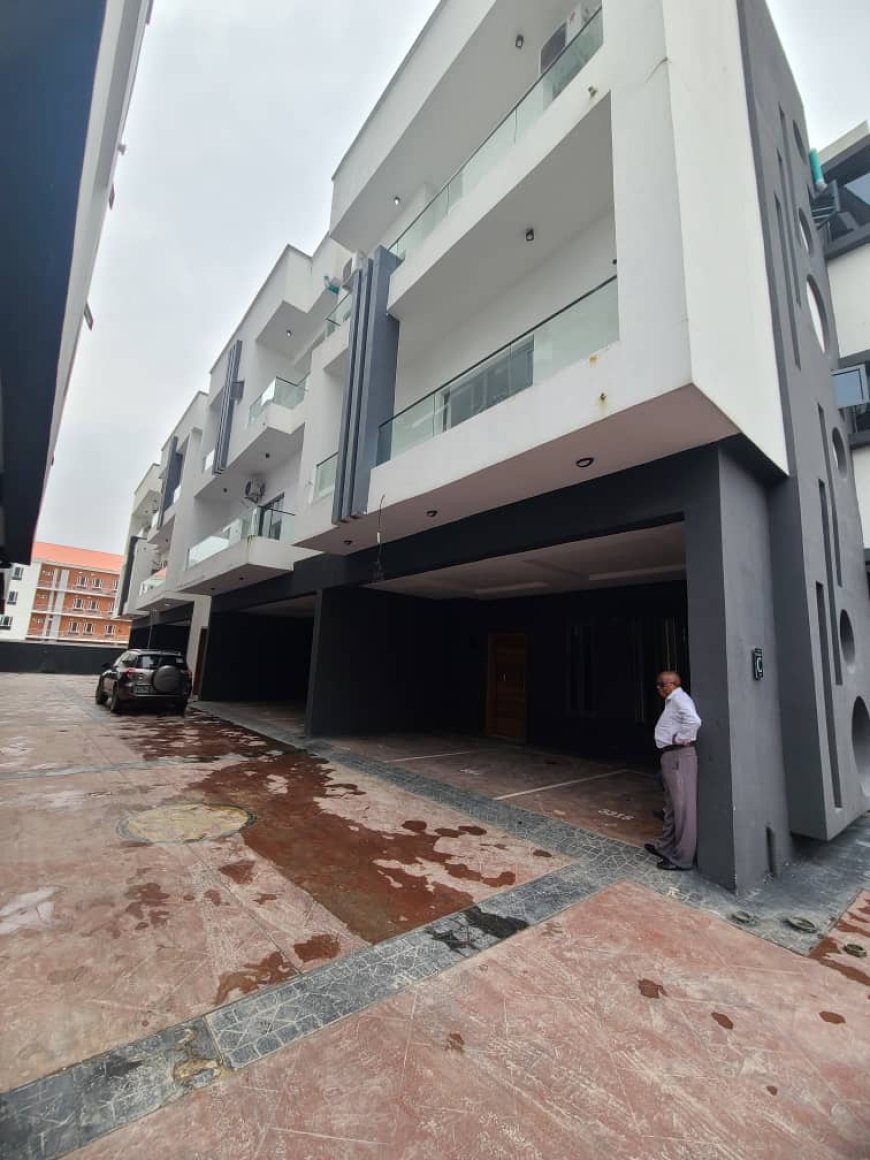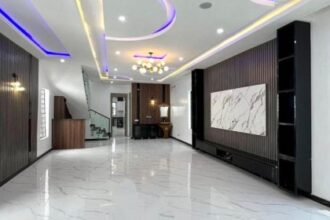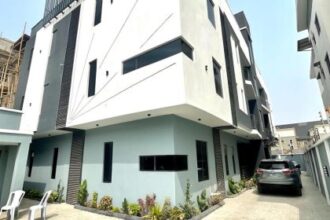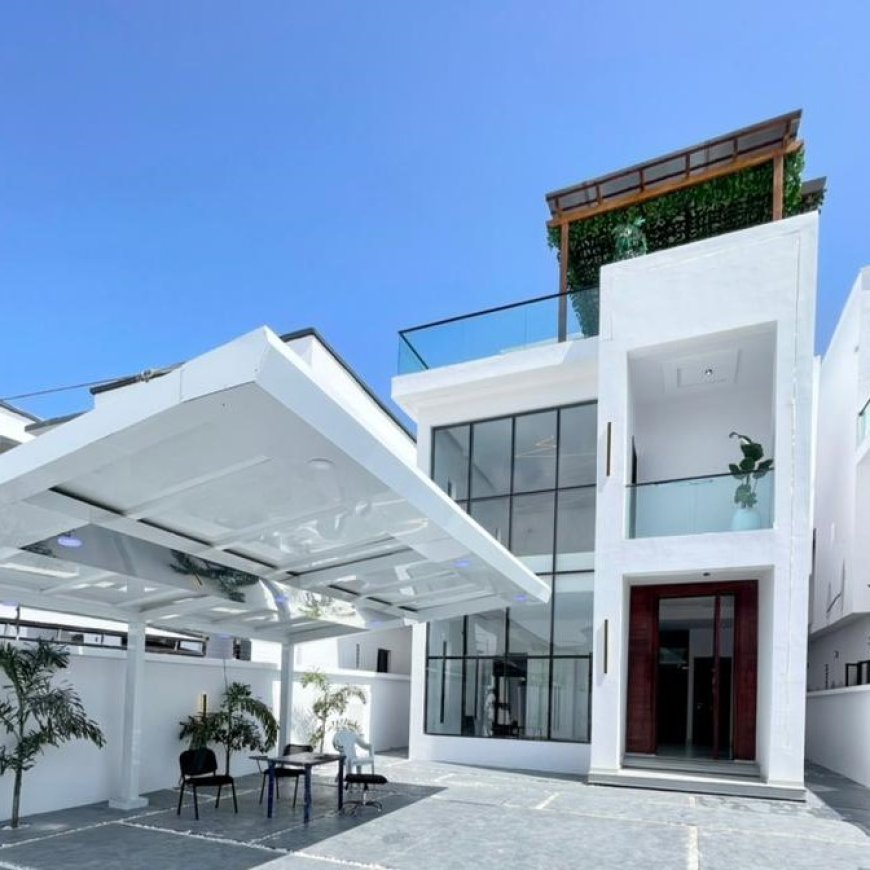
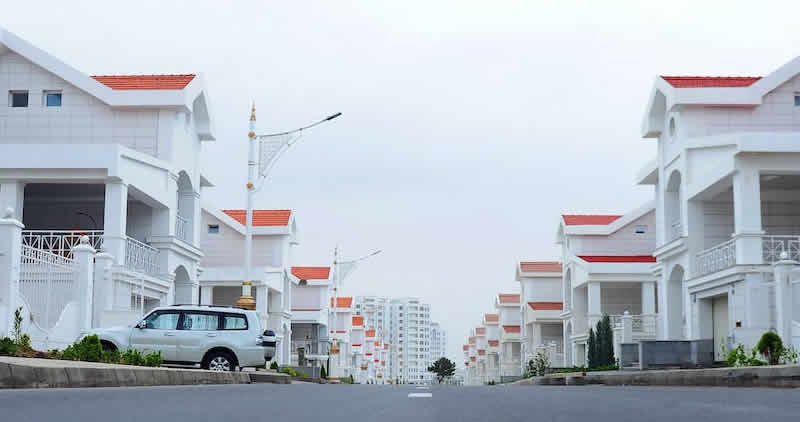
This growth leads to increased demand for housing, infrastructure development, and property values. Cities often turn to high-density housing solutions such as apartment complexes, skyscrapers, and mixed-use developments to accommodate the growing population. Urban sprawl, the uncontrolled expansion of urban areas into rural land, can lead to infrastructure strain, longer commute times, and environmental concerns. However, it also presents opportunities for developers to build large residential communities and commercial spaces in newly urbanized regions.
As cities grow, so does the need for commercial real estate. Urbanization leads to an increase in office spaces, retail outlets, and entertainment centers to cater to the larger urban population. Business districts in cities expand, creating lucrative opportunities for real estate developers. The transformation of urban spaces, such as gentrification, where deteriorated neighborhoods are revitalized, can result in rising property values and new commercial development.
Infrastructure and transportation are also crucial aspects of urbanization. Cities often invest heavily in infrastructure, such as public transportation, roads, utilities, and public services, which support the growing population and often lead to rising property values in areas with improved connectivity and services. Transit-oriented development (TOD) promotes transit-oriented development, where real estate projects are centered around transit hubs, attracting higher investments and commanding premium real estate prices due to their accessibility.
Urbanization often leads to housing shortages, particularly in affordable housing. As city populations grow, low-income residents may be priced out of the housing market, exacerbating socio-economic inequality. Governments and developers are increasingly focused on finding solutions such as public housing projects or incentivizing the development of affordable housing. Rising property prices in urban areas can push middle-class buyers out of the market, leading them to seek housing in suburban or exurban areas.
Sustainable urban development is becoming more common as cities expand, with green building practices, energy-efficient homes, and eco-friendly infrastructure becoming more common. Smart cities are being adopted to improve urban living conditions, and gentrification can lead to socio-economic disparities. As cities continue to grow, the real estate industry must adapt to meet the demands of a changing urban landscape.
#naijastreetmatters