Rising Home Prices
Recent years have seen notable price increases in many real estate markets, particularly in urban regions. This frequently results from a tight supply coupled with strong demand, which puts purchasers in a competitive market.
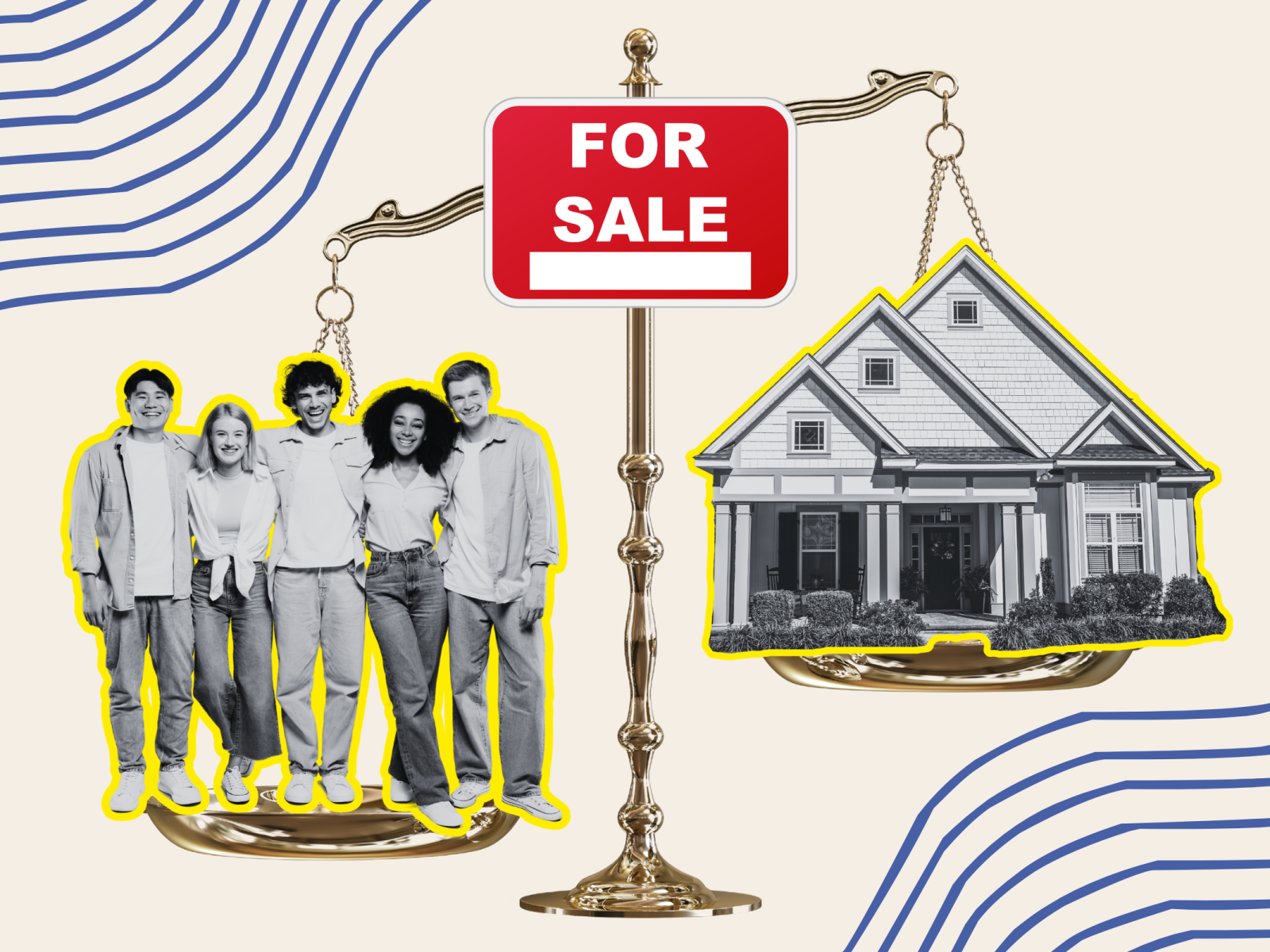
Rising costs may raise the demand for rentals while restricting first-time purchasers’ access to homeownership.
Interest Rate Fluctuations
Mortgage affordability is directly impacted by interest rates. While rising rates have the potential to cool the market, low rates typically increase demand for real estate.
Interest rate changes are frequently a result of central banks’ policies and worries about inflation, which in turn affect consumer behavior and market activity as a whole.
Urbanization and Suburbanization
Because of the amenities and job opportunities they offer, urban areas have always been popular destinations for real estate investment. Cities’ property values have gone up as a result of this.
The COVID-19 epidemic has sped up the recent trend toward suburban living. Because remote employment allows for greater flexibility, suburban regions have become more desirable, which has increased demand and prices in
Housing Supply Constraints
A limited supply of homes is a major issue in many areas. The scarcity of new homes can be caused by severe zoning restrictions, disturbances in the supply chain, and labor shortages.
Low inventory levels can result in pricing wars and bidding wars, which makes it challenging for customers to locate reasonably priced solutions.
Sustainable and Green Building Trends
Demand for environmentally friendly and energy-efficient homes is rising. Green building techniques are becoming more widespread due to a combination of government incentives and market demand.
Particularly as public knowledge of environmental issues increases, sustainable houses frequently fetch greater prices and are viewed as more desirable investments.