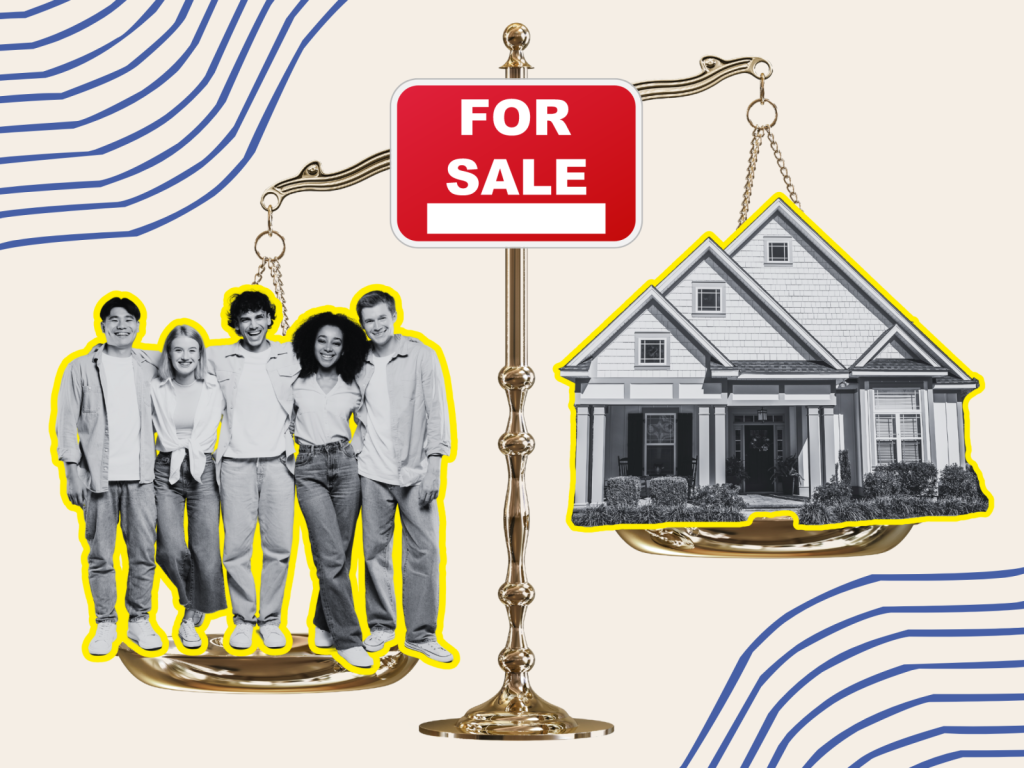
The housing market is facing significant challenges for Millennials and Gen Z due to rising home prices, student loan debt, and changing lifestyle priorities. These generations are entering the housing market at a time when property prices have risen significantly in many urban areas, making homeownership challenging. The Federal Reserve reports that student loan debt in the U.S. exceeds $1.7 trillion, limiting their ability to purchase homes and forcing them to rent longer.
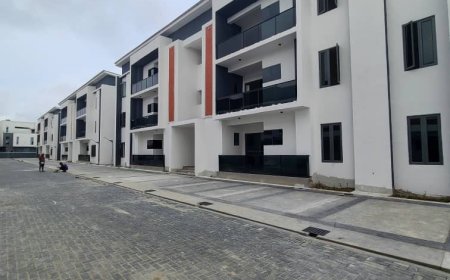
The shift towards renting and co-living is also becoming more popular among these generations. Urban living preferences are becoming more accessible, but housing prices in these areas are often unaffordable, leading to a rise in rental housing demand. Co-living arrangements, where individuals share communal spaces while renting private rooms, are growing in popularity, offering flexibility, lower rent costs, and access to urban centers. Smaller living spaces are also becoming more open to both generations as a trade-off for location and affordability.
Sustainable homes are becoming increasingly important to Millennials and Gen Z, who prioritize energy-efficient homes and green building practices. Post-Pandemic work shifts, such as the COVID-19 pandemic, have led some Millennials and Gen Z to move to suburban or rural areas where housing is more affordable. Work-life balance is also becoming more normalized, with younger workers looking for homes that offer dedicated workspace, better access to outdoor areas, and more affordable housing options outside of major cities.
Technology in home buying is also playing a crucial role in meeting the needs of these generations. Online real estate platforms like Zillow, Redfin, and Realtor.com are being used by these generations, expecting a seamless, tech-driven home-buying process. Fintech solutions are helping younger buyers navigate the complexities of home financing, offering alternative down payment models and financial tools tailored to their needs.
Finally, flexible living options are becoming more popular among Millennials and Gen Z, such as rent-to-own programs and homeownership co-ownership models. As remote work continues to grow and new financial products emerge, the real estate market will need to evolve to meet the needs of these generations.